





What's Happening?
Ohio is experiencing a significant increase in black bear sightings, suggesting a potential comeback for the species after nearly disappearing from the state in the mid-1800s. Since 2022, the Ohio Department of Natural Resources (ODNR) has received over
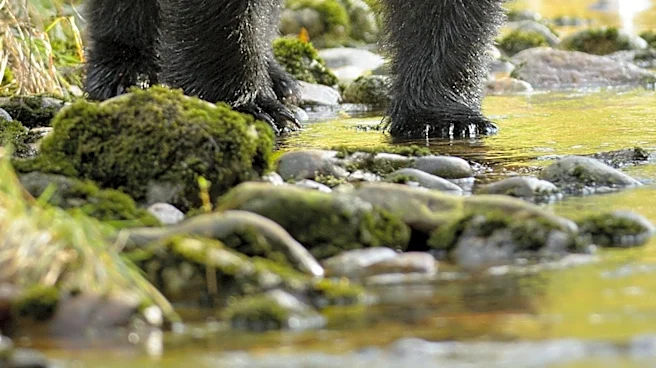
1,500 bear sighting reports. The 2026 Ohio Black Bear Monitoring Report indicates a sharp rise in sightings starting in 2022, with 537 sightings in 69 counties in 2025 alone, marking the highest on record. While many sightings involve 'wandering bears,' typically young males expanding from growing populations in West Virginia and Pennsylvania, there is also evidence of reproducing female bears in northeastern and southeastern Ohio. For instance, sows with cubs have been consistently sighted in Ashtabula County since 2016 and in Geauga County in recent years. Researchers are utilizing satellite GPS collars and public reports to track bear movements and gather more data on their recolonization efforts.
Why It's Important?
The resurgence of black bears in Ohio signifies a positive indicator of ecosystem health and successful reforestation efforts. After extensive deforestation in the 1800s, which nearly eradicated the species, the return of large mammals like bears suggests a recovering natural environment. This development impacts public safety, as residents in areas with increased sightings, such as Coshocton County, express concerns and are taking precautions like carrying bear spray. The Ohio Division of Wildlife advises residents on how to react to bear encounters, emphasizing the importance of not approaching them and removing potential food sources to prevent habituation. The ongoing research, including DNA analysis from bear scat and partnerships with landowners, is crucial for understanding and managing this recolonizing population, which is still considered endangered in the state.
What's Next?
As black bears continue to expand their presence in Ohio, the ODNR and researchers from the University of Dayton will intensify monitoring efforts, including tracking collared bears and collecting public sighting reports. The focus will be on determining whether these 'wandering bears' are establishing permanent residency and reproducing within the state. Public education campaigns on bear safety and coexistence are likely to continue and expand, especially in areas with new sightings. Residents are encouraged to report any bear activity to the ODNR's Wildlife Reporting System to aid research. The long-term goal is to support the sustainable recovery of the black bear population while ensuring public safety and managing human-wildlife interactions effectively.
Beyond the Headlines
The return of black bears to Ohio highlights broader ecological themes of species recovery and the impact of human activity on natural habitats. It underscores the long-term consequences of historical land use practices, such as deforestation, and the potential for ecological restoration. The increased sightings also bring into focus the evolving relationship between humans and wildlife in increasingly suburbanized areas, prompting discussions about conservation, land management, and public responsibility in maintaining biodiversity. This situation could serve as a case study for other regions facing similar wildlife recolonization challenges, emphasizing the need for adaptive management strategies and community engagement to foster coexistence.