



What's Happening?
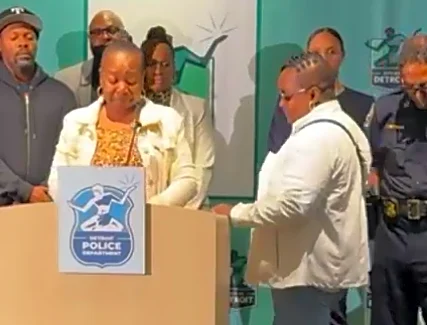
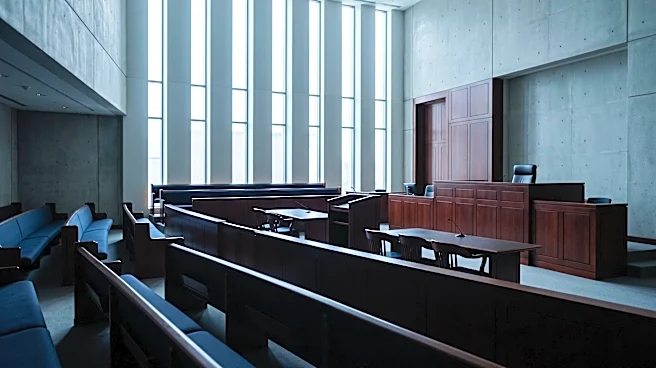
Kelli Bryant is scheduled for sentencing in a child abandonment case in Detroit. Concurrently, Detroit schools have announced early closures for two days this week as a precautionary measure against hot weather conditions. These developments are part
of a broader CBS Detroit news brief covering various local stories. The sentencing of Kelli Bryant marks a significant step in a legal case that has drawn local attention, focusing on the judicial process and its outcomes. The decision by Detroit schools to close early highlights the immediate impact of environmental factors, such as extreme heat, on public services and daily life within the city. Both events reflect ongoing concerns within the Detroit community, ranging from legal accountability to public health and safety in educational settings.
Why It's Important?
The sentencing of Kelli Bryant is important as it underscores the legal system's response to serious offenses like child abandonment, reflecting societal values regarding child welfare and parental responsibility. Such cases often bring to light the challenges faced by families and the support systems available, or lacking, within communities. On another front, the early closure of Detroit schools due to hot weather is significant for public health and education. It emphasizes the vulnerability of infrastructure and public services to climate conditions, particularly in older urban areas. This decision impacts thousands of students and their families, potentially disrupting learning and childcare arrangements. It also raises questions about long-term solutions for school facilities to better withstand extreme temperatures, ensuring a safe and conducive learning environment for all students.
What's Next?
Following Kelli Bryant's sentencing, the legal community and the public will observe the outcome, which could set precedents or influence future discussions on child protection laws and social services. The specifics of the sentence will determine the next steps for Bryant and may lead to further legal actions or appeals. For Detroit schools, the immediate next steps involve managing the logistics of early dismissals and communicating effectively with parents and staff. Beyond the current heatwave, school officials will likely need to assess and potentially upgrade cooling systems in school buildings to prevent similar disruptions in the future. This could involve budgetary considerations, infrastructure projects, and policy changes to ensure student comfort and safety during periods of extreme weather, potentially influencing educational planning for upcoming academic years.
Beyond the Headlines
The Kelli Bryant case, while specific to an individual, touches upon broader societal issues concerning child welfare, mental health, and the effectiveness of social safety nets. It prompts a deeper examination of the circumstances that lead to child abandonment and the resources available to prevent such tragedies. The early school closures in Detroit due to heat, beyond being a logistical challenge, highlight the growing impact of climate change on urban environments and public infrastructure. It brings to the forefront discussions about environmental justice, as communities with older buildings and fewer resources are often disproportionately affected by extreme weather. This situation could catalyze broader initiatives for climate resilience in public buildings and urban planning, emphasizing the need for proactive measures to protect vulnerable populations from environmental hazards.