








What's Happening?
Health officials have confirmed a case of dengue fever in Seminole County, Florida, making it the latest in Central Florida to contract the mosquito-borne illness. The Florida Department of Health in Seminole County issued an advisory on Wednesday, following
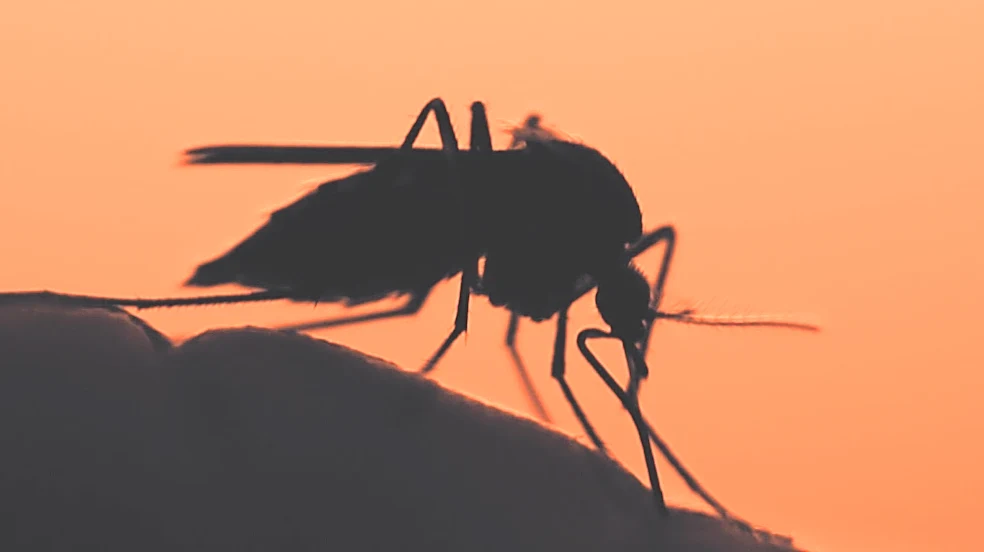
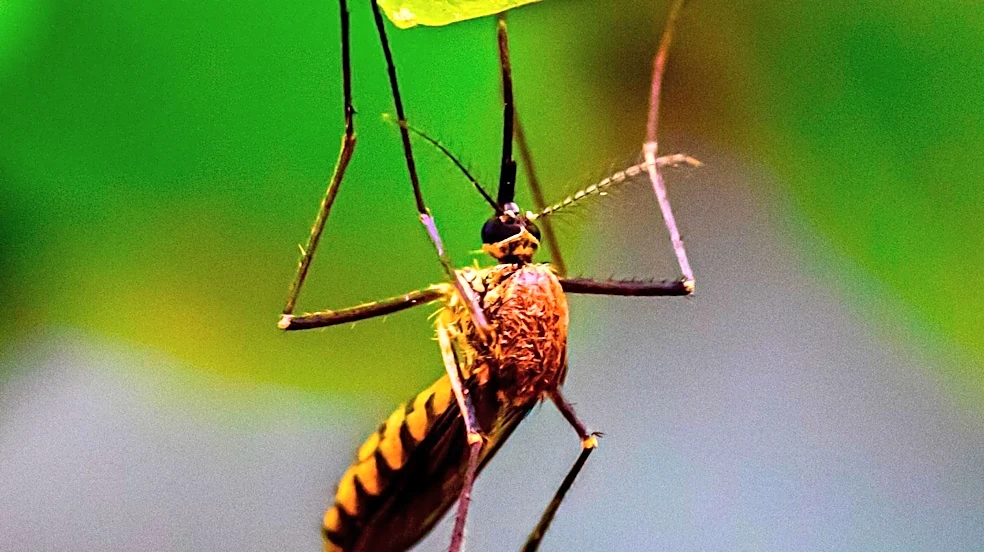
five previously reported dengue cases in Orange County since early September. In response to the outbreak, Orange County resumed aerial spraying to reduce mosquito populations, with officials expecting a 99% reduction in the targeted mosquito population. Dengue fever, transmitted by mosquito bites, is typically found in tropical and subtropical climates, including parts of the southern United States. While not fatal, symptoms include aches, pains, nausea, vomiting, and rashes. Florida is currently experiencing a statewide outbreak, with the Tampa Bay area alone reporting 351 confirmed cases this year, primarily in Hillsborough County, marking the highest number of cases in a calendar year for any state since the 1940s.
Why It's Important?
The confirmation of dengue fever in Seminole County underscores a growing public health concern in Florida, as locally acquired cases of this mosquito-borne illness continue to rise. The statewide outbreak, with record numbers of cases, indicates a significant challenge for public health authorities in controlling the spread of the disease. The expansion of the Aedes aegypti mosquito's range, attributed by experts to climate change, suggests a long-term shift in disease epidemiology, potentially increasing the risk of tropical diseases in new areas. This situation necessitates robust public health interventions, including widespread mosquito control efforts and public education campaigns, to mitigate the impact on residents and prevent further escalation of the outbreak. The economic and social implications of such outbreaks can be substantial, affecting healthcare systems and daily life.
What's Next?
Following the confirmed case, the Florida Department of Health in Seminole County and Seminole County Mosquito Control are coordinating surveillance, prevention, and control efforts. Residents are strongly advised to take precautions, including using insect repellent when outdoors and eliminating standing water on their properties, as these are prime breeding sites for mosquitoes. Orange County has already initiated aerial spraying and plans further rounds to reduce mosquito populations. The Department of Health will continue its statewide surveillance for mosquito-borne illnesses. Public awareness and community participation in mosquito control measures will be crucial in containing the spread of dengue and protecting the health of Florida residents.
Beyond the Headlines
The increasing prevalence of locally acquired dengue in Florida highlights the interconnectedness of environmental changes, public health, and community action. The role of climate change in expanding the habitat of disease-carrying mosquitoes suggests a future where such outbreaks may become more common, requiring adaptive public health strategies. This situation also brings to light the importance of robust public health infrastructure and rapid response mechanisms to manage emerging infectious diseases. Beyond immediate control measures, there is a need for long-term ecological studies and urban planning that considers mosquito control as an integral part of public health, fostering a more resilient community against vector-borne diseases.