




What's Happening?
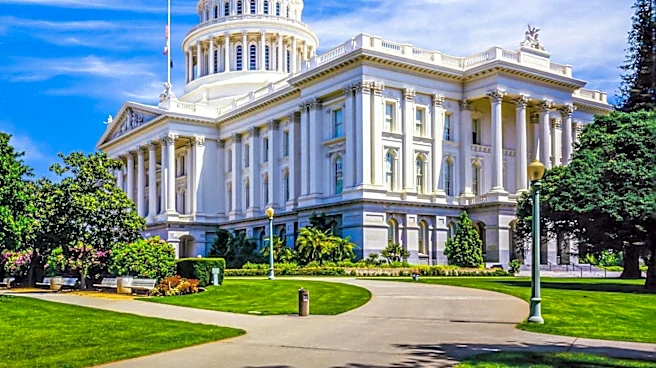
California Governor Gavin Newsom has declared a state of emergency as Southern Californians prepare for what is projected to be the strongest El Niño on record. This declaration comes in response to increased chances of a wetter-than-average winter, which
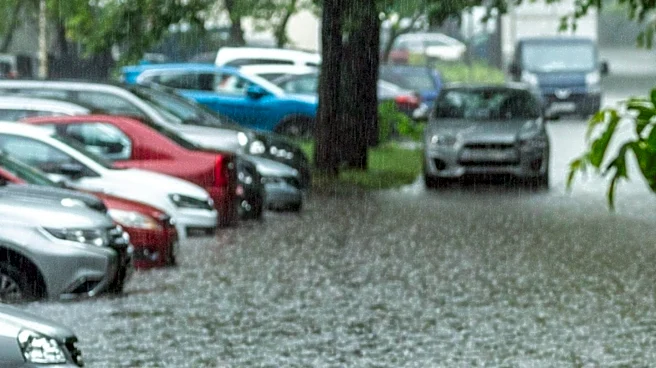
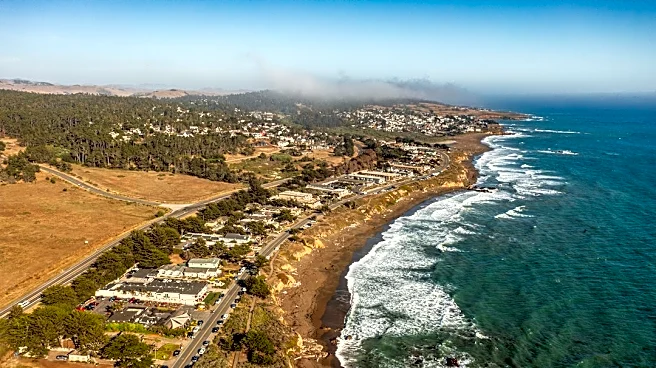
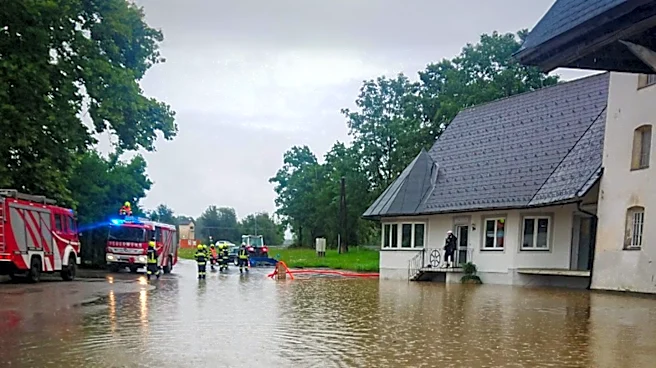
could bring back-to-back storms, prolonged rain, flooding, coastal erosion, and debris flows. Southern California Edison (SCE) crews are monitoring conditions and are prepared to restore power in the event of storm-related outages. Residents are being urged to take proactive measures to protect their homes and ensure their households are ready for potential emergencies or power outages that may arise from the severe weather conditions.
Why It's Important?
The declaration of a state of emergency by Governor Newsom underscores the significant threat posed by the impending El Niño season to California's infrastructure and residents. A strong El Niño can lead to widespread disruption, including property damage from flooding and mudslides, power outages, and potential threats to public safety. The economic impact could be substantial, affecting local businesses, agriculture, and requiring significant public funds for disaster response and recovery. For residents, preparedness is crucial to mitigate personal losses and ensure safety. The proactive stance by the state government aims to mobilize resources and encourage public readiness, potentially reducing the overall severity of the impact.
What's Next?
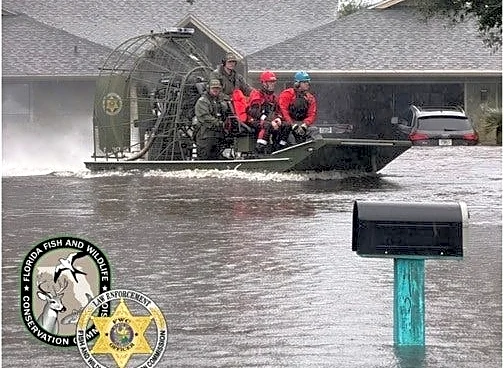
Following the state of emergency declaration, Californians are expected to intensify their preparations for the anticipated severe weather. This includes securing homes against potential flooding and debris flows, preparing emergency kits, and staying informed about weather advisories. Utility companies like SCE will remain on high alert, deploying crews to address power outages swiftly and safely. State and local emergency services will likely coordinate efforts to manage potential crises, including evacuations and rescue operations. The coming months will test the state's preparedness and resilience in the face of extreme weather events, with ongoing monitoring of weather patterns and public safety advisories expected.
Beyond the Headlines
The declaration highlights the increasing frequency and intensity of extreme weather events, which many attribute to broader climate change patterns. While El Niño is a natural climate phenomenon, its projected strength this year raises questions about the interplay between natural cycles and long-term climate shifts. This situation could prompt further discussions and investments in climate resilience infrastructure, such as improved drainage systems, coastal protection, and early warning systems. The event also serves as a critical reminder of the importance of community preparedness and the role of public education in mitigating disaster impacts, potentially influencing future public policy on disaster readiness and climate adaptation.