






What's Happening?
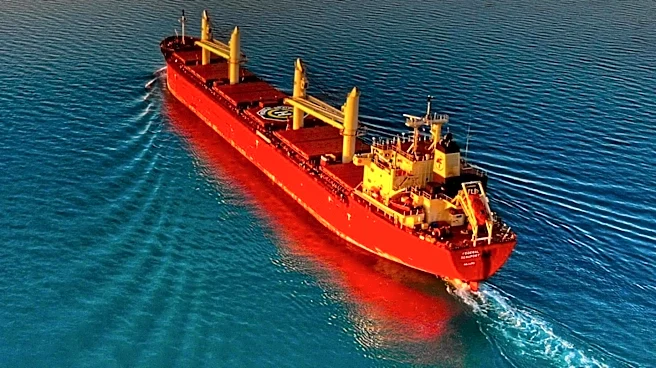
Human Rights Watch (HRW) has stated that recent attacks by Houthi forces on commercial vessels in the Red Sea and Gulf of Aden likely amount to war crimes in at least three instances. These attacks followed a July 20 announcement by the Houthis to impose
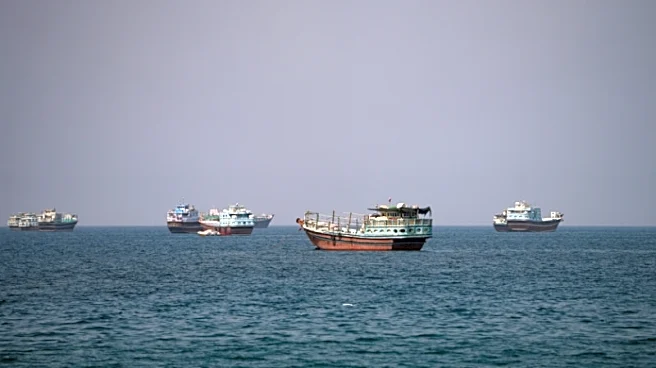
a maritime embargo on Saudi Arabia, in response to what they claim is a Saudi sea and air blockade on Yemen. The targeted vessels included at least two Saudi-flagged ships, one Tanzania-flagged vessel, and one Dominica-flagged vessel. HRW reviewed data from the United Kingdom Maritime Trade Operations (UKMTO) and vessel tracking websites, along with photographs and videos, to corroborate the details of the attacks. The organization also contacted the companies operating the attacked vessels—Bihar International Company (for Daisy and Encelia), Bahri (for Amzan), and Thubab for Marine Services (for Tihamah)—but received no responses. International humanitarian law protects civilians and civilian objects from attack, requiring parties to a conflict to confirm targets are military objectives and minimize civilian harm. Attacks on civilians or civilian objects committed recklessly or with deliberate intent are considered war crimes.
Why It's Important?
These findings by Human Rights Watch underscore the severe risks posed to international shipping and civilian mariners in critical global trade routes. The classification of these actions as likely war crimes highlights a serious breach of international humanitarian law, which could lead to increased international pressure and potential legal repercussions for those responsible. The continued targeting of commercial vessels disrupts global supply chains, increases insurance costs for shipping companies, and poses direct threats to the lives of civilian crews. This situation could escalate regional tensions, potentially drawing in more international actors to secure maritime passage, thereby impacting global trade stability and energy security. The lack of response from the shipping companies contacted by HRW also points to a broader challenge in accountability and transparency in conflict zones.
What's Next?
The report by Human Rights Watch is likely to prompt further calls for investigations into the Houthi attacks and increased scrutiny from international bodies. Governments and international organizations may consider stronger diplomatic or punitive measures against the Houthi forces to deter future attacks on civilian shipping. Shipping companies operating in the Red Sea and Gulf of Aden may implement enhanced security protocols or seek naval escorts, potentially increasing operational costs and transit times. There could also be renewed efforts to address the underlying conflict in Yemen, as these maritime attacks are a direct consequence of the ongoing hostilities. The international community will likely continue to monitor the situation closely, with potential for further evidence collection and legal action against individuals found responsible for war crimes.
Beyond the Headlines
The repeated targeting of commercial vessels by non-state actors like the Houthis raises complex questions about the enforcement of international law in asymmetric conflicts. It highlights the vulnerability of global commerce to regional instability and the challenges of protecting civilian assets and personnel in contested maritime zones. The deliberate or reckless targeting of civilian ships blurs the lines of engagement and undermines established norms of warfare, potentially setting dangerous precedents for future conflicts. Furthermore, the lack of accountability for such actions can embolden groups to continue violating international humanitarian law, creating a cycle of violence and impunity. This situation also underscores the broader humanitarian crisis in Yemen, where the conflict continues to have devastating impacts on civilians, with maritime blockades and attacks exacerbating the suffering.