
What's Happening?
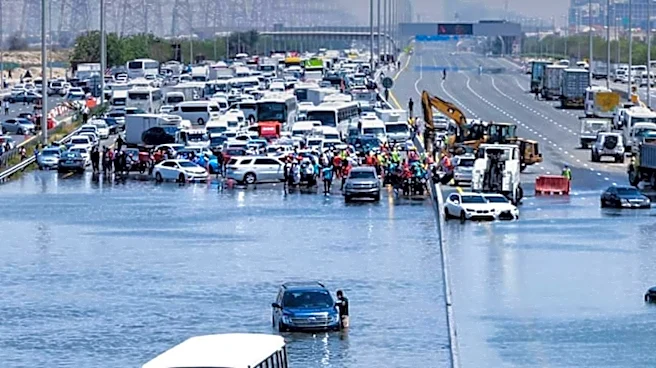
Downtown Miami experienced severe flooding on Tuesday due to king tides and persistent rainfall, leading to significant traffic disruptions and the temporary closure of a major off-ramp. The westbound
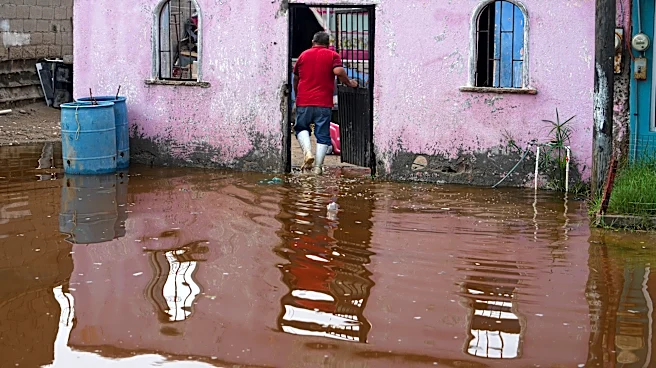
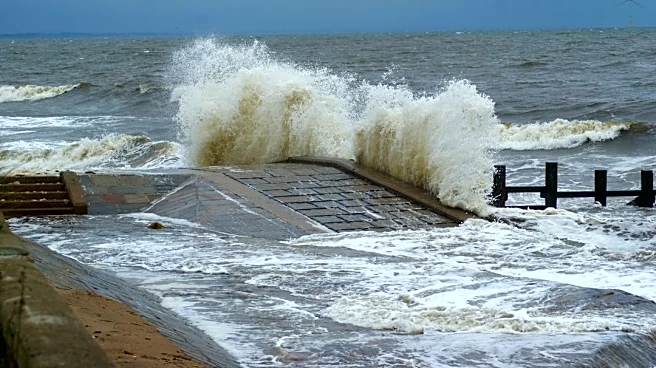
exit ramp from Interstate 395 to Biscayne Boulevard was particularly affected, with a Florida Department of Transportation camera capturing stalled cars and drivers exiting their vehicles. These vehicles subsequently required towing. Officials briefly closed the ramp, advising motorists to seek alternative routes, though it has since reopened. The peak of the king tides occurred around 10 a.m., creating a chaotic commute along Biscayne Boulevard. Residents, like Maher Sif, noted that such flooding is a common occurrence in Miami during king tides and heavy rain. Areas around loanDepot Park were also submerged, with drivers navigating through floodwaters. This event follows similar flooding in Broward County communities such as Hollywood, Pompano Beach, and Fort Lauderdale just days prior. No injuries have been reported in connection with the flooding.
Why It's Important?
The recurring severe flooding in Miami, exacerbated by king tides and rainfall, highlights a critical infrastructure and urban planning challenge for coastal U.S. cities. The disruption to major transportation arteries, such as the I-395 off-ramp and Biscayne Boulevard, directly impacts daily commutes, local commerce, and emergency services. Businesses in affected areas face potential losses due to reduced accessibility and property damage, while residents endure significant inconvenience and safety risks. The need for towing services for stalled vehicles also adds an economic burden on individuals. This situation underscores the vulnerability of low-lying coastal regions to rising sea levels and extreme weather events, which are projected to intensify. The repeated nature of these floods suggests that current mitigation strategies may be insufficient, posing long-term threats to Miami's economic stability and livability. The broader implications extend to property values, insurance costs, and the overall resilience of urban environments in the face of climate-related challenges.
What's Next?
With a rainy weather forecast for the remainder of the week, officials anticipate further challenges for drivers in Miami. The National Weather Service has issued a moderate coastal flooding advisory for Miami-Dade, Broward, Palm Beach, and Monroe counties, which is in effect until 2 p.m. Tuesday and will be followed by a flood statement extending until Wednesday afternoon. This indicates that the region should expect continued or renewed flooding conditions. Authorities are advising drivers to exercise extreme caution, avoid flooded streets, and turn around if they encounter impassable water. Local government and transportation agencies will likely continue to monitor water levels and road conditions, implementing temporary closures and rerouting traffic as necessary. In the longer term, these persistent flooding events may prompt further discussions and investments in infrastructure improvements, such as enhanced drainage systems, seawalls, and elevated roadways, to better protect the city from the impacts of king tides and heavy rainfall.
Beyond the Headlines
The persistent flooding in Miami due to king tides and heavy rainfall points to a deeper, systemic issue facing many coastal U.S. cities: the increasing intersection of urban development, natural tidal cycles, and climate change. While king tides are a natural phenomenon, their impact is amplified by rising sea levels, leading to more frequent and severe inundation of urban areas. This situation raises critical questions about the sustainability of current development patterns in vulnerable coastal zones and the long-term economic viability of these regions. The repeated disruptions to daily life and commerce could lead to shifts in population distribution, with residents and businesses potentially relocating to less flood-prone areas. Furthermore, the ongoing need for emergency responses and infrastructure repairs places a significant strain on municipal budgets, potentially diverting funds from other essential public services. The ethical dimension of continued development in high-risk areas, and the responsibility of local and federal governments to protect citizens and property from environmental hazards, will likely become increasingly prominent in public discourse.