



What's Happening?
Iraq is facing its worst drought in nearly a century, exacerbated by climate change and upstream dam constructions in neighboring countries. In response, Iraq has entered into a controversial agreement with Turkey, known as the Water Cooperation Framework
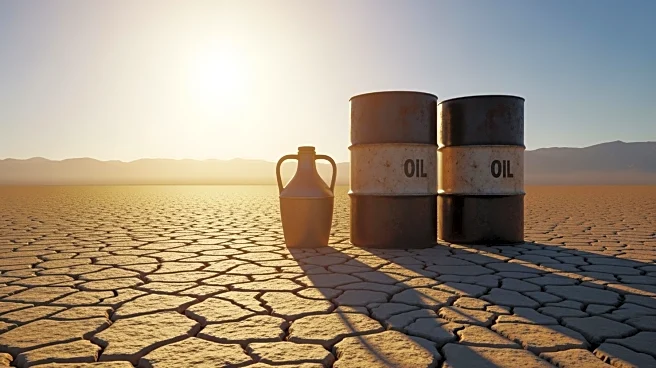
Agreement. This multi-billion-dollar deal involves Iraq using its oil revenues to finance Turkish companies in building water infrastructure projects aimed at improving water efficiency and storage. The agreement is seen as a way to convert Iraq's oil exports into water security, with projects including water harvesting dams and land reclamation initiatives. The deal has been framed by Turkey as beneficial for regional stability and economic cooperation, while Iraq views it as essential for protecting water security and economic stability.
Why It's Important?
The agreement is significant as it addresses Iraq's critical water scarcity issues, which have been compounded by climate change and regional geopolitical dynamics. The deal could potentially stabilize Iraq's water supply, crucial for its agriculture and urban populations. However, it also raises concerns about Iraq's sovereignty over its natural resources and the long-term implications of tying water access to oil revenues. Critics argue that the deal departs from internationally recognized water diplomacy principles and could weaken Iraq's control over its resources. The agreement also highlights Turkey's strategic influence in the region, as it gains leverage over Iraq's vital resources at a time of vulnerability.
What's Next?
The implementation of the Water Cooperation Framework Agreement will be closely watched, with initial projects focusing on water infrastructure improvements. The success of these projects could determine the future of Iraq's water security and its economic stability. There may be further negotiations and adjustments to the agreement as both countries navigate the complexities of water diplomacy. Additionally, the deal's impact on regional relations and Turkey's influence in the Middle East will be areas of interest for international observers. Iraq may also need to pursue broader water management reforms to ensure long-term sustainability.
Beyond the Headlines
The oil-for-water deal underscores the broader challenges of resource management in the face of climate change and geopolitical tensions. It raises ethical questions about the commodification of water and the potential for resource dependency. The agreement could set a precedent for similar arrangements in other regions facing water scarcity, highlighting the need for comprehensive and equitable water-sharing agreements. The situation also reflects the urgent need for global cooperation in addressing climate change and its impact on essential resources.