



What's Happening?
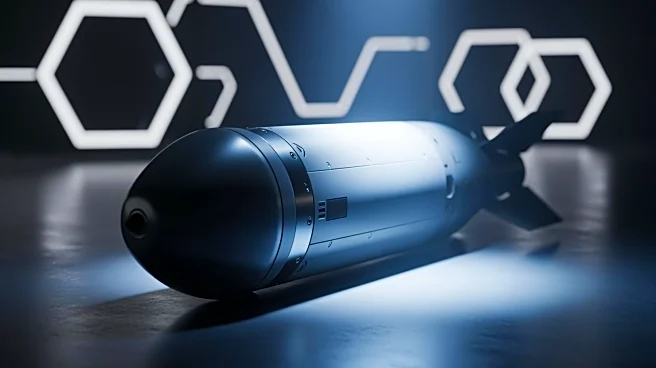
The United States has placed an order for additional 30,000-pound Massive Ordnance Penetrator (MOP) bombs, raising questions about its capability to neutralize Iran's nuclear program. This move comes as the U.S. considers the strategic implications of
Iran's nuclear facilities, particularly the Pickaxe Mountain site near Natanz. The facility's location under a mountain presents significant challenges for aerial attacks. The U.S. previously used MOPs in a 2025 operation against Iran's Fordow facility, which lies under a different mountain. The new order, set for delivery in 2028, suggests a potential limitation in current MOP stockpiles, prompting concerns about the U.S.'s readiness for immediate action.
Why It's Important?
The decision to order more MOPs highlights the ongoing tension between the U.S. and Iran over nuclear capabilities. The ability to effectively target and disable Iran's nuclear facilities is crucial for U.S. national security and regional stability. The timing of the order suggests a strategic assessment of current military capabilities and potential future conflicts. The U.S.'s reliance on MOPs underscores the importance of maintaining a technological edge in military hardware to counter threats from fortified underground facilities. This development could influence U.S. foreign policy and defense strategies in the Middle East.
What's Next?
The delivery of the new MOPs in 2028 indicates a long-term strategic plan rather than an immediate military action. The U.S. may continue to assess and develop alternative strategies to address the challenges posed by Iran's nuclear facilities. This could involve diplomatic efforts, intelligence operations, or the development of new military technologies. The international community will likely monitor these developments closely, as they could impact global nuclear non-proliferation efforts and regional power dynamics.