
What's Happening?
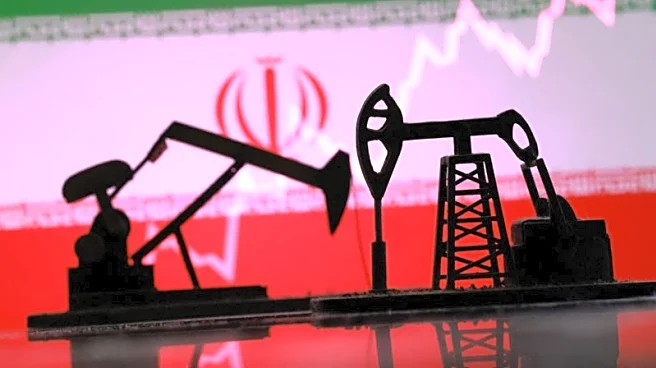
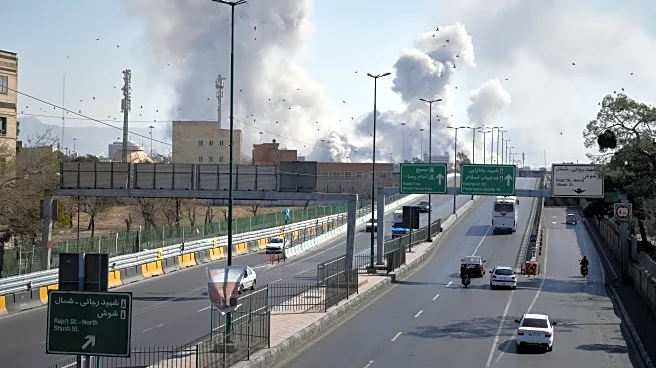
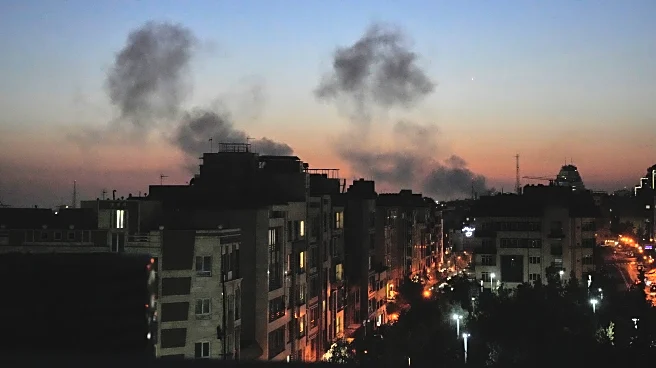
The ongoing U.S.-Israeli conflict with Iran has led to significant disruptions in oil and natural gas exports from the Middle East. Production stoppages have been reported from Qatar to Iraq, with Kuwait announcing cuts due to the conflict. Analysts predict
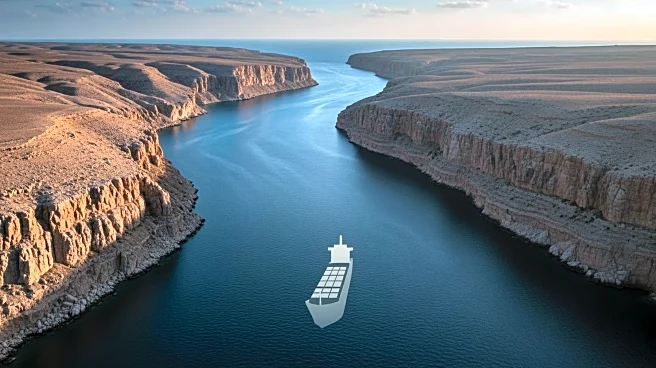
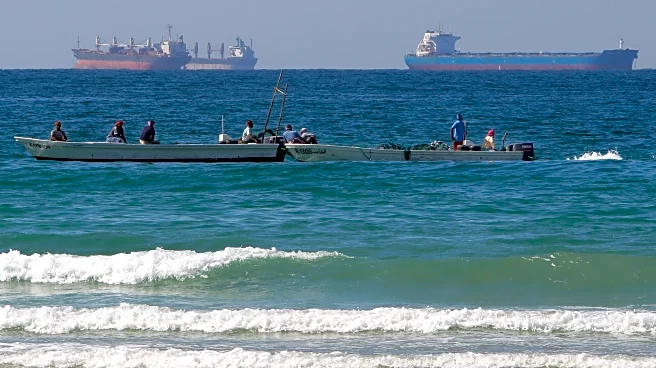
that the United Arab Emirates and Saudi Arabia may also reduce output as they face storage limitations. The Strait of Hormuz, a critical artery for global oil supply, has been largely closed following attacks on ships, further exacerbating the situation. The conflict has prompted major marine insurers to cancel war-risk coverage for vessels operating in the region.
Why It's Important?
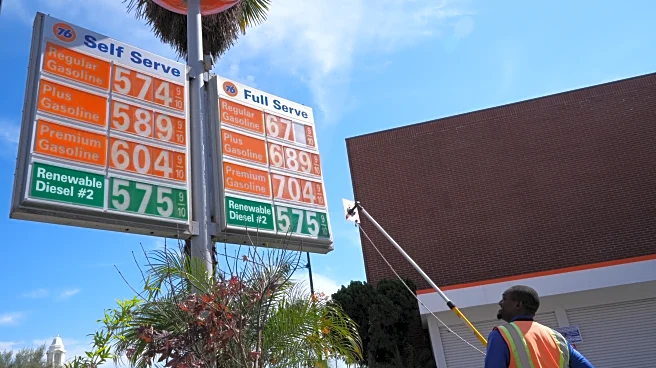
The disruption of oil exports from the Middle East could have far-reaching economic implications, affecting global oil prices and supply chains. The closure of the Strait of Hormuz, through which a significant portion of the world's oil supply passes, poses a major risk to energy security. The situation highlights the vulnerability of global markets to geopolitical tensions and the importance of diversifying energy sources. The conflict may also strain diplomatic relations and lead to increased military presence in the region, further complicating efforts to stabilize the situation.
What's Next?
The U.S. and its allies may seek diplomatic solutions to reopen the Strait of Hormuz and ensure the safe passage of oil shipments. Countries dependent on Middle Eastern oil may explore alternative sources to mitigate supply disruptions. The international community may increase pressure on the involved parties to de-escalate the conflict and restore stability. The situation will likely remain volatile, with potential for further military actions and economic repercussions.