

What's Happening?
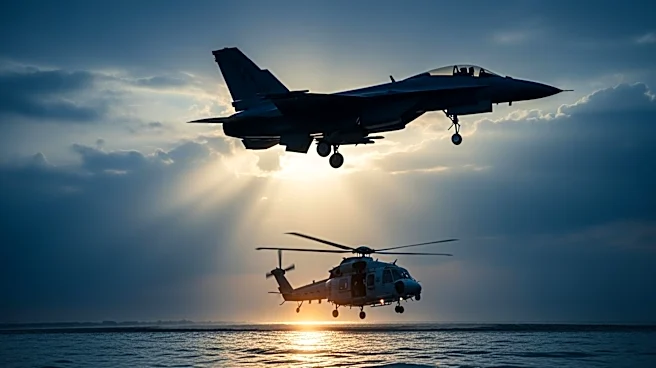
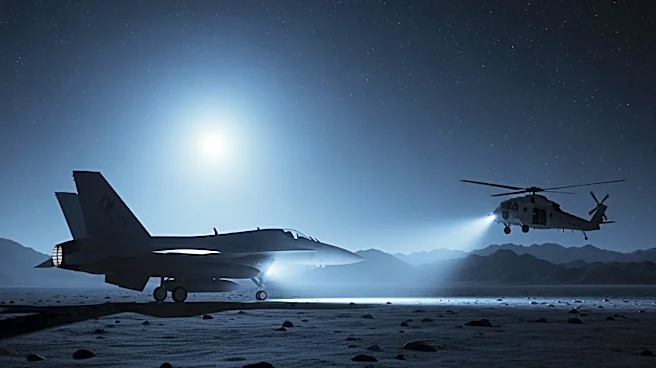
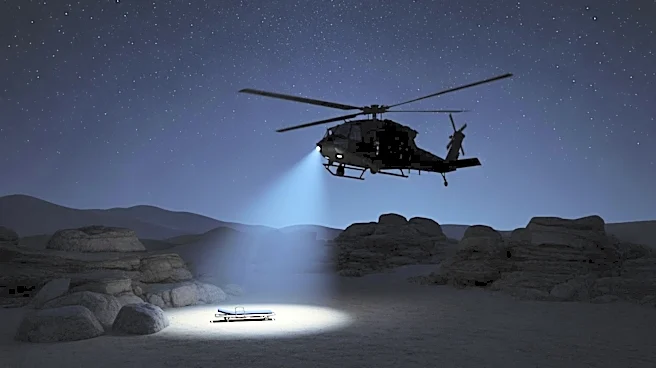
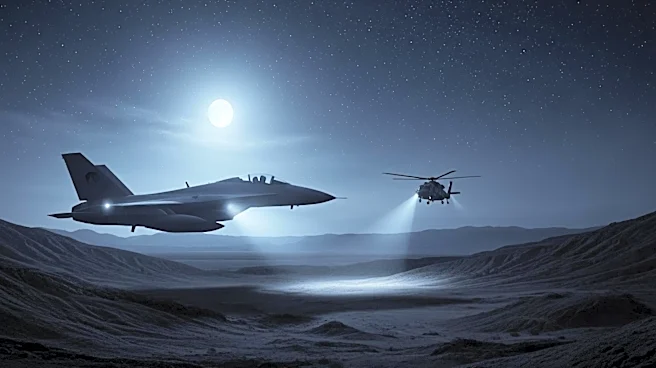
The US military has undertaken a combat search-and-rescue (CSAR) mission in Iran to recover a downed aircrew member. These missions are designed to locate and rescue personnel such as pilots and troops in hostile environments. The operation in Iran involved
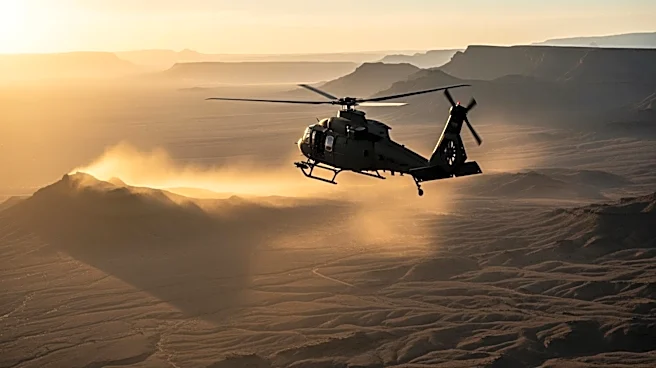
US military helicopters and refueling aircraft operating over Khuzestan province. CSAR missions are typically conducted by specialized teams known as pararescue jumpers, who are trained to execute recovery missions in dangerous conditions. The mission in Iran was described as 'harrowing and massively dangerous,' highlighting the risks involved in such operations.
Why It's Important?
CSAR missions are critical for the US military as they aim to rescue personnel who may be injured or evading capture in enemy territory. The successful execution of these missions is vital for maintaining morale and operational effectiveness. The mission in Iran underscores the strategic importance of rescuing downed aircrew to prevent them from falling into enemy hands, which could have significant implications for intelligence and military operations. The ability to conduct such missions reflects the US military's commitment to its personnel and its capability to operate in hostile environments.
What's Next?
The ongoing situation in Iran may lead to further military operations to ensure the safety of US personnel. The US military may continue to monitor the area and conduct additional rescue missions if necessary. The incident could also prompt discussions on the risks and strategies involved in CSAR missions, potentially leading to adjustments in training and operational protocols. The geopolitical implications of US military activity in Iran may also influence diplomatic relations and military strategy in the region.