


What's Happening?
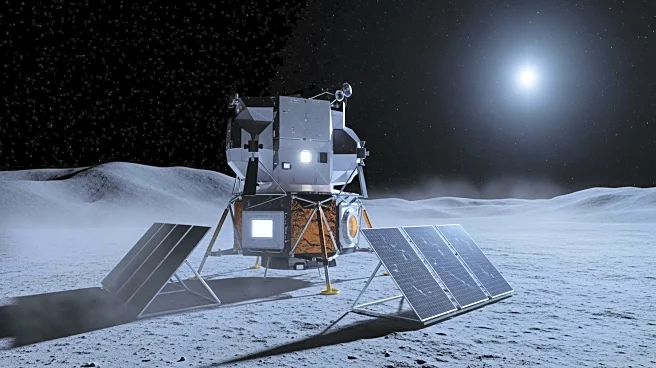
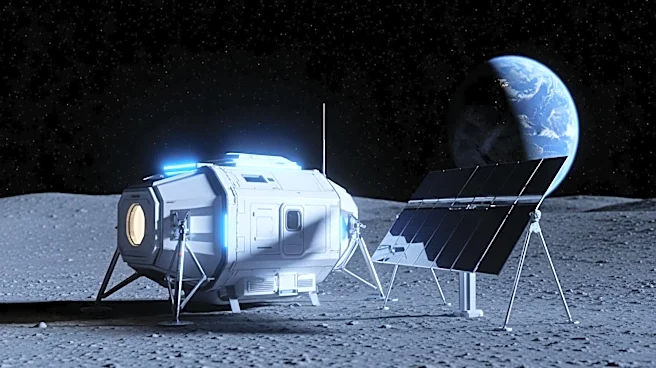
NASA has announced a strategic shift in its Artemis program, focusing on establishing a long-term human presence on the Moon by the 2030s. Unlike the Apollo missions, which were short-term, the Artemis program aims to create a sustainable lunar base with
habitats, power systems, and surface infrastructure. This initiative is part of a broader effort to integrate lunar facilities into existing space-based technology networks, which are crucial for communications, navigation, and scientific data. The program includes a series of increasingly complex missions, starting with lunar flybys and culminating in a base near the lunar south pole. The first landing is targeted for 2028, with an intermediate mission planned for 2027 to test docking and life-support systems in low Earth orbit.
Why It's Important?
The Artemis program represents a significant shift in U.S. space exploration strategy, moving from one-off missions to a sustained presence on the Moon. This approach not only aims to normalize living beyond Earth but also to develop technologies that could be beneficial on Earth and for future Mars missions. The program supports economic growth by creating jobs across the U.S. and among international partners. Strategically, it positions the U.S. to influence the rules and expectations for lunar activity, as more countries and companies engage in space exploration. The integration of commercial partners like SpaceX and Blue Origin into the mission architecture spreads risk, lowers costs, and accelerates development.
What's Next?
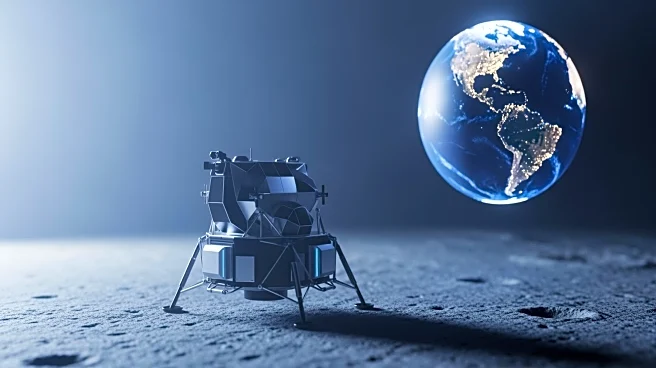
NASA's roadmap includes a 2027 test mission to practice docking and life-support systems with commercial lunar landers in low Earth orbit. The first crewed landing near the lunar south pole is planned for 2028. The program's success depends on the reliable collaboration of multiple public and private partners. As the U.S. continues to develop lunar infrastructure, it will shape the future environment of lunar activity, influencing international space law and the practical expectations for living and working on the Moon.
Beyond the Headlines
The Artemis program's focus on sustained lunar activity has broader implications beyond space exploration. Technologies developed for the Moon could have applications in medicine, disaster response, and other industries on Earth. The program also highlights the strategic importance of space as a domain where countries and companies can exert influence. By establishing a consistent presence on the Moon, the U.S. aims to lead in defining how space activities are conducted, setting standards that others may follow.