






What's Happening?
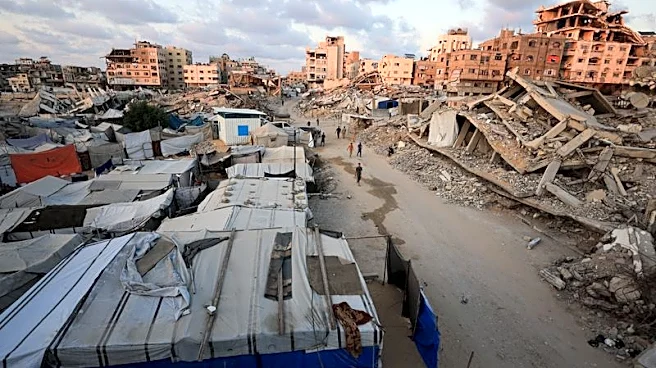
Germany is requesting the International Court of Justice (ICJ) to dismiss a case brought against it by Nicaragua. Nicaragua has accused Germany of "facilitating genocide" in Gaza by providing support to Israel following the October 7, 2023 attacks by Hamas
militants. The case, initiated in 2024, saw Nicaragua previously urge ICJ judges to impose emergency measures to compel Berlin to cease all aid, particularly military equipment, to Israel. However, the court rejected this request in April 2024, stating that the circumstances at that time did not warrant emergency orders. Germany is now seeking to have the case removed, arguing either that the judges lack the jurisdiction to rule on the matter or that Nicaragua's claims are unfounded. Berlin has filed "preliminary objections to the jurisdiction of the Court and to the admissibility of certain claims." The specifics of Germany's defense have not yet been publicly disclosed. Hearings are scheduled, with Germany presenting its case, followed by Nicaragua's response, and then both countries having additional opportunities to address the court.
Why It's Important?
This case carries significant international implications, particularly concerning the legal and ethical responsibilities of nations in conflicts where allegations of genocide are raised. Germany's historical context, stemming from its Nazi past, has led it to place Israel's security "at the core" of its foreign policy, a stance highlighted during the 2024 hearings. The outcome could set a precedent for how international law interprets the support provided by one nation to another involved in a conflict, especially when such support is linked to accusations of severe human rights violations. For the United States, a key ally of both Germany and Israel, the proceedings could influence its own foreign policy considerations and aid packages to allies. The ICJ's rulings are binding, though the court lacks direct enforcement powers, as demonstrated by Russia's non-compliance with an order to halt its invasion of Ukraine. Nevertheless, a ruling against Germany could lead to diplomatic pressure and reputational damage, potentially impacting its international standing and relationships.
What's Next?
Following Germany's presentation of its case, Nicaragua will have the opportunity to respond. Both countries will then have additional chances to address the court. It typically takes approximately six months for the ICJ to issue a ruling in such cases. The court could either side with Germany, leading to the complete dismissal of the case, or rule against Berlin, which would mean the case would proceed to be considered "on the merits" in more detail. Should the case proceed, it would involve a deeper examination of the evidence and arguments regarding Germany's alleged role in facilitating genocide. The decision will be closely watched by international legal bodies, human rights organizations, and nations worldwide, as it could influence future interpretations of the 1948 UN Genocide Convention and the responsibilities of states in supporting parties to a conflict.
Beyond the Headlines
The legal battle at the ICJ transcends the immediate dispute between Germany and Nicaragua, touching upon profound ethical and moral questions about state responsibility and complicity in international conflicts. Nicaragua's accusation that Germany is "pathetic" for providing aid to Gaza while simultaneously supplying weapons to Israel highlights the complex moral dilemmas faced by nations attempting to balance humanitarian concerns with geopolitical alliances. Germany's defense, emphasizing its "detailed scrutiny" of arms trade with Israel that "far exceeds the requirements of international law," underscores the tension between national security interests and international legal obligations. This case also runs parallel to another high-profile ICJ case where South Africa has accused Israel of perpetrating genocide in Gaza, which Israel denies. The cumulative effect of these cases could contribute to a re-evaluation of international legal frameworks concerning genocide and the accountability of states, potentially leading to long-term shifts in how international aid and military support are perceived and regulated in conflict zones.