







What's Happening?
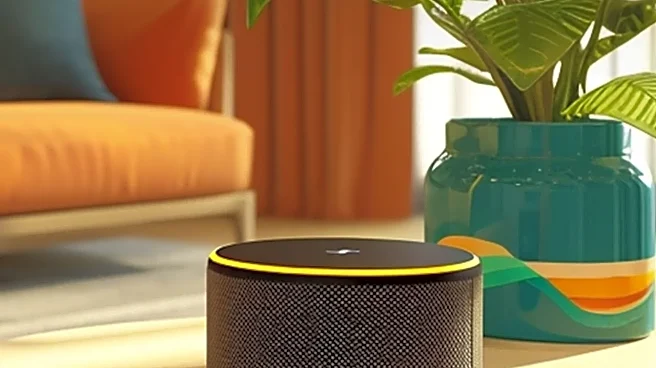
The Amazon Echo Show, a voice-controlled device, is being highlighted for its significant role in improving daily living for individuals with disabilities. This device allows users to stream media, order food, and control home electronics through simple
voice commands or routine timers. Its functionality aims to reduce the physical strain associated with everyday tasks, offering a more accessible way to interact with technology and home environments. The Echo Show is available for purchase from Amazon and other retail stores, with a price point of approximately $250. Beyond the Echo Show, other accessible equipment like the TOTO Washlet KS6 Electronic Bidet Toilet Seat, a Heat and Massage Dual Lift Recliner, and the Uccello Electric Safety Kettle are also noted for their contributions to enhancing independence and safety within the home for people with disabilities. These devices collectively address various aspects of daily life, from personal hygiene to meal preparation and comfort, by integrating user-friendly designs and voice control capabilities where applicable.
Why It's Important?
The integration of voice-controlled devices like the Amazon Echo Show into daily life represents a crucial advancement in accessibility for the disability community in the U.S. By simplifying complex tasks through voice commands, these technologies foster greater independence and reduce reliance on assistance for routine activities such as entertainment, meal ordering, and smart home management. This not only improves the quality of life for individuals with disabilities but also potentially alleviates some of the caregiving burden on families and support networks. The broader availability and increasing sophistication of such devices can drive further innovation in assistive technology, encouraging manufacturers to prioritize inclusive design. Economically, this trend opens new market segments for tech companies and creates opportunities for specialized support services, while socially, it promotes a more inclusive environment where technology bridges gaps in physical capabilities, allowing more people to participate fully in society.
What's Next?
As voice-controlled technologies continue to evolve, the next steps will likely involve further customization and integration with a wider array of smart home devices and services. We can anticipate more advanced AI capabilities that better understand nuanced commands and adapt to individual user preferences, making these devices even more intuitive and effective for people with diverse needs. There may also be a push for increased affordability and insurance coverage for assistive technologies, making them accessible to a broader population. Furthermore, ongoing research and development will likely focus on enhancing the security and privacy features of these devices, addressing concerns about data collection and ensuring user trust. The expansion of educational programs and community initiatives to train individuals with disabilities and their caregivers on how to best utilize these tools will also be critical for maximizing their impact.
Beyond the Headlines
Beyond the immediate practical benefits, the widespread adoption of voice-controlled devices like the Amazon Echo Show carries deeper implications for societal perceptions of disability and technological inclusion. These tools are not merely conveniences; they are powerful enablers that challenge traditional notions of independence and capability. By allowing individuals to control their environment and access information with their voice, these technologies contribute to a paradigm shift, moving away from a deficit-based model of disability towards one that emphasizes empowerment and technological augmentation. This cultural shift can lead to greater social integration and reduced stigma, as technology normalizes diverse ways of interacting with the world. Legally and ethically, the increasing reliance on these devices will necessitate discussions around data ownership, algorithmic bias in voice recognition, and the right to digital accessibility, ensuring that technological progress genuinely serves all members of society without creating new barriers.