






What's Happening?
Foreign ministers and senior government representatives from the Intergovernmental Authority on Development (IGAD) member states have gathered in Djibouti City for the 74th Extraordinary Session of the Council of Ministers. The meeting is taking place
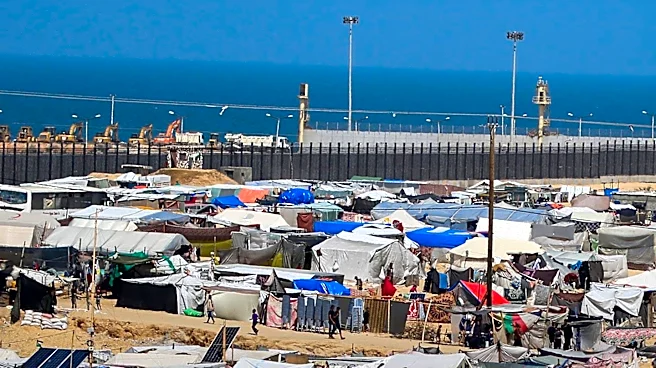
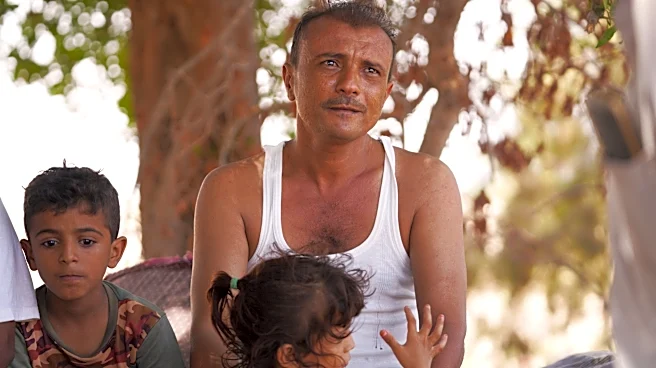
amidst a backdrop of worsening humanitarian and security challenges across the Horn of Africa. Djibouti’s Minister of Foreign Affairs and International Cooperation, Abdoulkader Omar, is leading the session, which also includes representatives from international organizations, including the United Nations. Dr. Workneh Gebeyehu, Chair of the IGAD Council of Ministers, highlighted the severe humanitarian situation, stating that nearly 49 million people in IGAD countries are acutely food insecure, and over 19 million are displaced. He noted that Sudan remains at the epicenter of some of the most serious crises, with ongoing conflict generating significant humanitarian needs and displacement. Despite these challenges, Gebeyehu also pointed to progress, including 77% of priority areas at the IGAD Secretariat being on track and improvements in health coverage from 60% to 65%.
Why It's Important?
The IGAD Council of Ministers meeting is a critical forum for addressing the profound humanitarian and security crises gripping the Horn of Africa. The staggering figures of food insecurity and displacement underscore a region in urgent need of coordinated intervention. For the U.S. and the international community, the instability in this strategically vital region has far-reaching implications, including potential for increased migration flows, heightened risks of terrorism, and disruptions to global trade routes. The ongoing conflict in Sudan, highlighted as a major concern, exemplifies the complex challenges that require regional and international cooperation. While the U.S. is not a direct member of IGAD, its interests in regional stability, humanitarian aid, and counter-terrorism efforts are deeply intertwined with the outcomes of such meetings. The discussions on strengthening IGAD's role in conflict resolution and humanitarian emergencies are crucial for fostering long-term stability and mitigating the broader global impact of these crises.
What's Next?
The IGAD Council of Ministers is expected to review ongoing conflicts and security challenges, particularly in Sudan and other parts of the Horn of Africa, and assess efforts to promote stability and peace. The ministers will also consider institutional matters, including measures to strengthen the IGAD Treaty and update regional policies to address emerging challenges. A key focus will be on enhancing coordination between IGAD and international partners, such as the United Nations and the UN Special Envoy for the Horn of Africa. The session is anticipated to conclude with the adoption of an official communiqué outlining the decisions reached and the next steps for the regional bloc. These outcomes will likely guide future regional interventions, humanitarian responses, and diplomatic engagements aimed at stabilizing the Horn of Africa and addressing the root causes of its crises.
Beyond the Headlines
The convening of IGAD ministers amidst such severe crises highlights the persistent struggle for regional self-sufficiency in conflict resolution and humanitarian response. While the statistics on food insecurity and displacement are alarming, the mention of progress in health coverage and the IGAD Secretariat's performance suggests a dual narrative of immense challenges alongside incremental advancements. This complexity underscores the need for nuanced international engagement that supports regional initiatives while also addressing systemic issues. The focus on strengthening the IGAD Treaty and updating regional policies indicates a recognition within the bloc that existing frameworks may be insufficient for the current scale of crises. This institutional introspection is vital for building more resilient and effective regional governance structures, which could ultimately reduce the reliance on external interventions and foster greater regional ownership of solutions to its multifaceted problems.