





What's Happening?
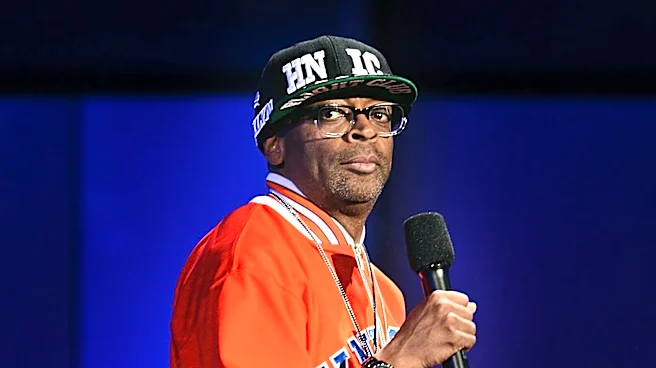
In 2012, acclaimed director Spike Lee mistakenly posted the address of an elderly Florida couple, David and Elaine McClain, on Twitter, believing it to be the residence of George Zimmerman, the individual involved in the Trayvon Martin shooting. Lee's
intention was to expose Zimmerman's address due to his belief that the legal system would fail to deliver justice for Martin. However, the address belonged to William George Zimmerman, who had previously lived there with his parents but had since moved out. The McClains, a couple in their mid-70s, subsequently faced a barrage of hate mail, death threats, and media intrusion at their home. This incident occurred amidst widespread public anger and debate following the death of Trayvon Martin.
Why It's Important?
This event highlights the significant and immediate consequences of doxxing, even when unintentional, and the power of social media to amplify such actions. It underscores the potential for misidentification to lead to severe harassment and disruption of innocent individuals' lives. The incident also reflects the intense public sentiment and racial tensions prevalent in 2012 following the Trayvon Martin case, demonstrating how individuals, even public figures, can react impulsively in emotionally charged situations. The McClains' experience serves as a stark reminder of the need for verification and caution when sharing personal information online, particularly in sensitive contexts, to prevent harm to uninvolved parties.
What's Next?
Following the incident, Spike Lee retracted his tweet, apologized to the McClains, and covered all their expenses incurred from having to leave their home due to the harassment. While the immediate crisis for the McClains was resolved through Lee's apology and financial assistance, the event contributed to broader discussions about online privacy, the responsibilities of public figures on social media, and the ethical implications of doxxing. The incident also served as a cautionary tale regarding the rapid spread of unverified information online and its potential for real-world harm. The McClains' experience underscores the ongoing challenge of managing information in the digital age.
Beyond the Headlines
The mistaken doxxing incident involving Spike Lee and the McClains delves into deeper societal issues beyond the immediate event. It exposes the volatile intersection of social justice activism, digital communication, and personal privacy. The incident highlights the ethical dilemma faced by individuals who, driven by a desire for justice, might inadvertently cause harm through unverified information. It also sheds light on the vulnerability of ordinary citizens to online vigilantism and the difficulty of controlling information once it is released on social media. The intense racist abuse Lee received after his apology further illustrates the deeply entrenched racial divisions and animosity present in society, even in the context of an apology for a mistake.