



What's Happening?
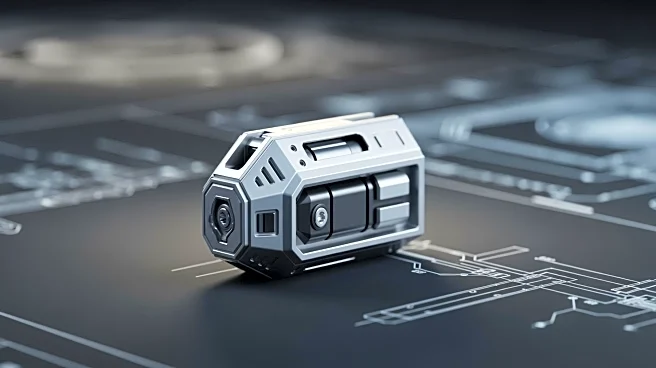
The National Armaments Consortium (NAC) is intensifying its collaboration with academia, industry, and the military to standardize drone fuzing technology. This initiative is crucial for the Pentagon's strategy to enhance the production of lethal unmanned
aerial systems (UAS). Fuzing technology, which determines how and when a munition explodes, is vital for drones that need to reach targets quickly and detonate reliably. The NAC is working with over 1,200 organizations to develop standardized, safe solutions for these systems. The effort is part of a Master Cooperative Research and Development Agreement (CRADA) that began in 2022, allowing for joint research and the sharing of sensitive information between the government and industry.
Why It's Important?
The standardization of drone fuzing technology is significant for the U.S. military's operational efficiency and safety. By creating a unified system, the military can ensure that drones are both effective and safe for use by service members. This initiative also supports the Pentagon's broader goal of integrating drones more extensively into military operations. The collaboration between the NAC and various organizations, including small, non-traditional companies, highlights the importance of innovation and cooperation in defense technology. The ability to rapidly produce standardized components could enhance the U.S. military's readiness and response capabilities.
What's Next?
The NAC's efforts are expected to lead to the development of standardized fuzing systems that could be implemented within a year for existing technologies. However, the creation of new fuzing systems for larger munitions may take longer. The ongoing collaboration under the CRADA will continue to facilitate the sharing of information and resources, potentially leading to further advancements in drone technology. The Army's Combat Capabilities Development Command is also involved, providing engineering and technology expertise to support these efforts.