






What's Happening?
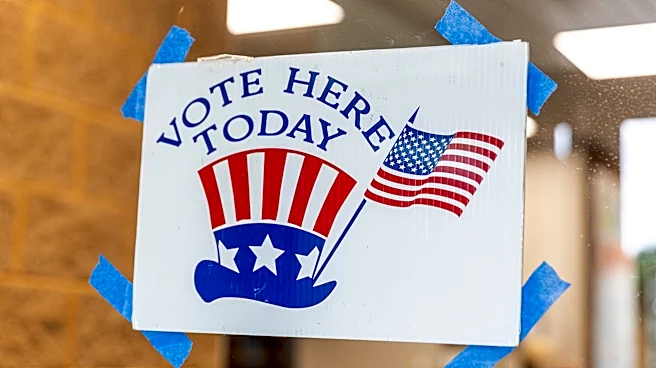
Kansas voters have rejected a GOP-backed ballot measure that proposed changing the selection process for the state's Supreme Court justices. The measure aimed to shift from the current system, where judges are appointed by the governor after being shortlisted
by a commission, to a system of popular elections. This proposal was seen as an attempt to influence the court's composition, potentially impacting its 2019 decision that affirmed abortion rights in the state. The rejection of this measure is viewed as a victory for those advocating for the protection of reproductive rights in Kansas.
Why It's Important?
The decision by Kansas voters to reject the ballot measure is significant as it maintains the current judicial selection process, which is perceived to be less susceptible to political influence. This outcome is a setback for those seeking to alter the court's stance on abortion rights, as the current system has upheld the constitutional protection of these rights. The vote reflects the broader sentiment in Kansas, where residents have consistently supported reproductive rights, as evidenced by previous rejections of anti-abortion measures. This decision reinforces the state's commitment to maintaining judicial independence and protecting individual rights.
What's Next?
Following the rejection of the ballot measure, the current system of appointing Supreme Court justices in Kansas will remain in place. This decision may prompt further efforts by anti-abortion advocates to find alternative ways to influence the state's judicial and legislative landscape. Meanwhile, supporters of reproductive rights are likely to continue their advocacy to ensure that the protections established by the 2019 court decision are upheld. The outcome may also influence similar debates in other states, as it highlights the importance of maintaining judicial independence in the face of political pressures.