



What's Happening?
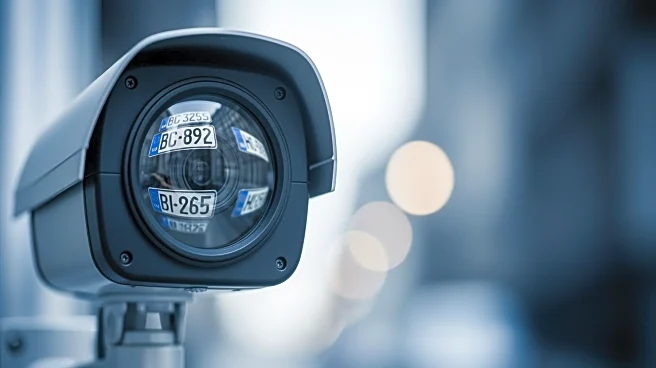
Flock Safety, a company specializing in automated license plate readers (ALPRs), has faced scrutiny due to errors in its technology that have led to innocent individuals being detained. The company's cameras, used by law enforcement agencies across the
U.S., have misread license plates, resulting in wrongful stops and arrests. In one instance, Brandon Upchurch was mistakenly identified as driving a vehicle with a stolen plate, leading to his arrest and injury by a police dog. The misread was due to the camera confusing a '7' for a '2'. Flock Safety's technology is designed to assist in crime prevention by alerting officers to vehicles of interest, but errors have raised concerns about the system's reliability and the potential for harm.
Why It's Important?
The issues with Flock Safety's technology highlight significant concerns about the reliance on automated systems in law enforcement. Misreads can lead to severe consequences for innocent individuals, including wrongful detention and physical harm. The situation underscores the need for improved accuracy and accountability in surveillance technologies. As law enforcement agencies increasingly adopt such systems, the potential for errors could undermine public trust and raise ethical questions about privacy and the use of surveillance data. The controversy also points to the broader implications of integrating AI into policing, where errors can have life-altering impacts.
What's Next?
Flock Safety has stated its commitment to improving the accuracy of its technology and working with law enforcement to address misreads. However, the company faces pressure to enhance transparency and accountability. Lawmakers and privacy advocates are likely to continue scrutinizing the use of ALPRs, potentially leading to regulatory changes. Communities may reconsider their contracts with Flock Safety, and the company may need to invest in further technological improvements to regain trust. The broader debate on surveillance technology's role in policing is expected to intensify, with calls for more robust oversight and safeguards.
Beyond the Headlines
The situation with Flock Safety's cameras raises deeper questions about the balance between security and privacy. The use of surveillance technology in public spaces can lead to a chilling effect on civil liberties, as individuals may feel constantly monitored. The potential for data misuse and the lack of transparency in how surveillance data is handled are critical concerns. Additionally, the reliance on technology in policing could shift focus away from community-based approaches to crime prevention, which emphasize human interaction and trust-building. The ethical implications of deploying AI in law enforcement will likely remain a contentious issue.