
What's Happening?
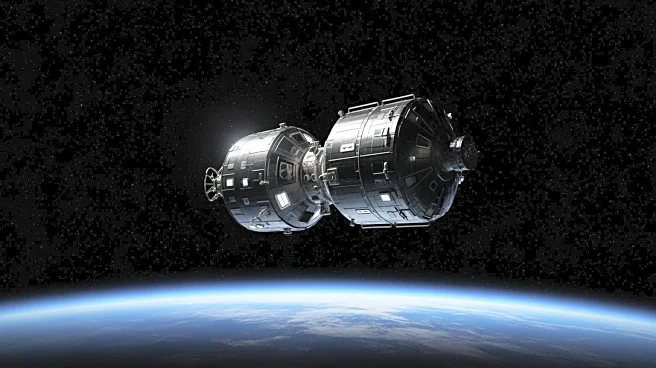
NASA has decided to cut short a mission aboard the International Space Station following a medical issue experienced by one of its astronauts. The decision underscores the challenges and risks associated
with long-duration space missions. The specific nature of the medical issue has not been disclosed, but it was significant enough to warrant an early return. This incident highlights the importance of health monitoring and emergency protocols in space exploration, as astronauts are exposed to unique health risks due to microgravity and radiation.
Why It's Important?
The early termination of the mission has implications for NASA's ongoing and future space exploration efforts. It raises questions about the preparedness and resilience of astronauts in dealing with medical emergencies in space. This incident could lead to a reevaluation of health protocols and emergency response strategies for astronauts. Additionally, it may impact the scheduling and planning of future missions, as NASA might need to incorporate more robust health monitoring systems. The situation also emphasizes the need for international collaboration in space missions, as the International Space Station is a joint effort involving multiple countries.
What's Next?
NASA is likely to conduct a thorough investigation into the medical issue to understand its cause and implications. The findings could lead to changes in astronaut training and health monitoring procedures. There may also be discussions with international partners on enhancing medical support systems aboard the space station. Future missions might see increased emphasis on health and safety measures to prevent similar incidents. The incident could also influence the design and planning of upcoming missions, including those aimed at deeper space exploration.