







What's Happening?
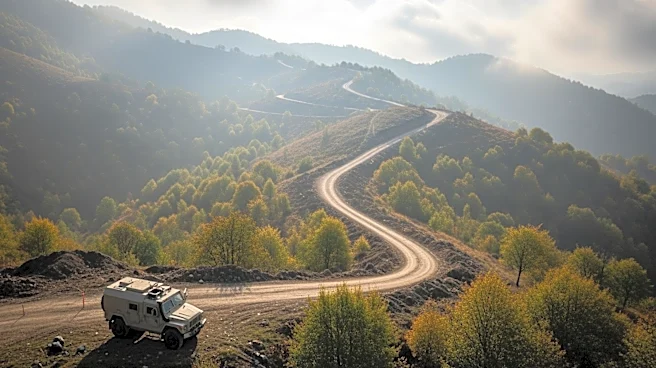
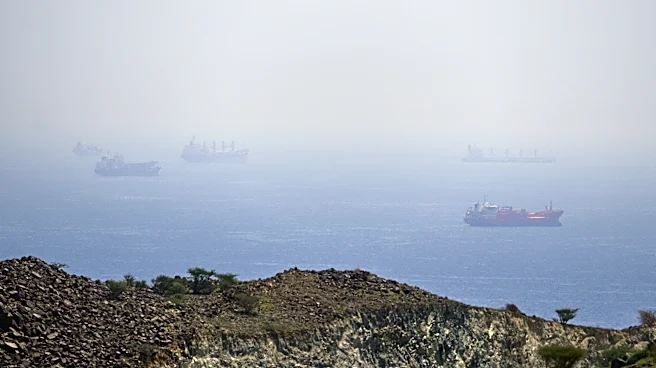
Israel has deployed five brigades into southern Lebanon, marking a significant escalation in its military operations against Hezbollah. The Israeli Defense Forces are working with naval forces to destroy Hezbollah infrastructure and create a buffer zone
to protect northern Israeli towns. This deployment signals a shift from limited cross-border strikes to a sustained ground presence, raising the risk of a broader conflict. The situation is complicated by ongoing diplomatic efforts to prevent a wider war, with U.S.-backed talks between Israel and Lebanon.
Why It's Important?
The expanded Israeli operations in Lebanon increase the risk of a broader Middle East conflict, potentially involving other Iran-backed groups in Syria and Iraq. This escalation could impact U.S. and allied interests in the region, as fighting edges closer to a sustained ground campaign. The presence of Israeli forces in Lebanon could provoke a more aggressive response from Hezbollah, including longer-range rocket and drone attacks. The situation poses a threat to regional stability and international security.
What's Next?
The timeline and scope of Israeli operations in Lebanon remain unclear, with no defined end state or withdrawal conditions. Diplomatic efforts continue to contain the conflict, but the risk of escalation remains high. The international community is closely monitoring the situation, with potential implications for regional alliances and security dynamics.