


What's Happening?
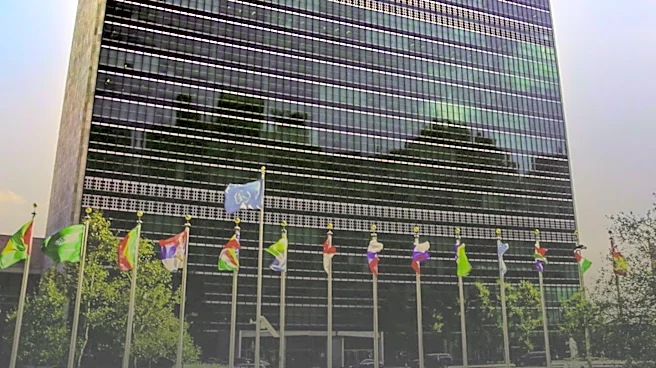
Two U.S. Christian charities, Christians for Israel and Christian Friends of Israeli Communities, are opposing the United Nations' attempt to assert immunity for Francesca Albanese, a UN special rapporteur, in a civil lawsuit. The charities have filed
a lawsuit alleging that Albanese defamed them by making false statements. Albanese accused Christians for Israel of financially supporting Jewish communities in Judea and Samaria and training residents in gun use. Christians for Israel denies these claims, stating their involvement is in humanitarian aid for immigrants, Holocaust survivors, and Arab Christians. Christian Friends of Israeli Communities, which supports projects for disabled and elderly Israelis and children in Judea and Samaria, was allegedly threatened by Albanese with implications in international crimes and potential criminal liability. The charities assert that Albanese knowingly spread malicious lies, causing reputational harm and hindering their work, with the intent to cause such damage.
Why It's Important?
This legal challenge highlights a significant dispute regarding the scope of immunity for UN special rapporteurs and the accountability of international officials for their public statements. If the UN is prevented from intervening or if Albanese's immunity is not upheld, it could set a precedent for how international bodies and their representatives are held responsible in national courts, particularly concerning allegations of defamation. The case also underscores the contentious nature of the Israeli-Palestinian conflict and the sensitivities surrounding organizations that provide support to communities in the region. The outcome could impact the operational freedom of UN officials and the legal recourse available to organizations that feel unjustly targeted by their statements, potentially influencing diplomatic relations and the conduct of international advocacy.
What's Next?
The immediate next step will involve the court's decision on whether to allow the United Nations to intervene in the lawsuit and assert immunity for Francesca Albanese. Should the court deny the UN's intervention or reject the immunity claim, the defamation lawsuit brought by the two Christian charities against Albanese would likely proceed. This would entail legal proceedings where Albanese would need to defend her statements, and the charities would present evidence of defamation and harm. The case could also lead to further diplomatic discussions or legal challenges regarding the privileges and immunities of UN officials, potentially drawing attention from international legal bodies and human rights organizations. The resolution of this intervention request will be crucial in determining the future trajectory of the lawsuit.
Beyond the Headlines
This case delves into the complex interplay between international law, national legal systems, and the protection of free speech versus the prevention of defamation. The assertion of immunity by a UN official, especially in a civil suit brought by private entities, raises fundamental questions about accountability within the international system. It also touches upon the broader debate regarding the impartiality and objectivity of UN special rapporteurs, particularly in highly politicized conflicts. The outcome could influence how non-governmental organizations operate and advocate in sensitive geopolitical contexts, potentially leading to increased scrutiny of their activities or, conversely, providing them with greater legal protection against what they perceive as unfounded accusations from international figures. The legal battle may also expose deeper tensions between different interpretations of humanitarian aid and political support in conflict zones.