




What's Happening?
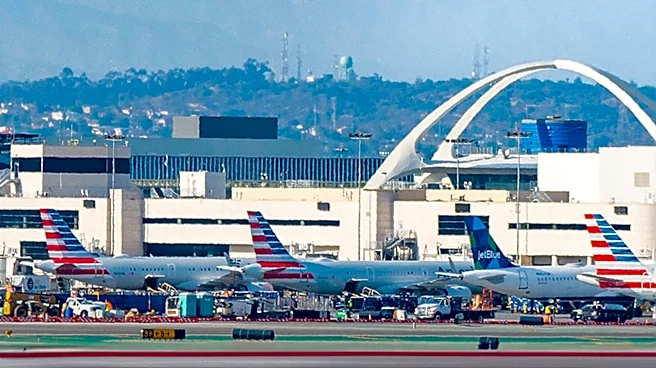
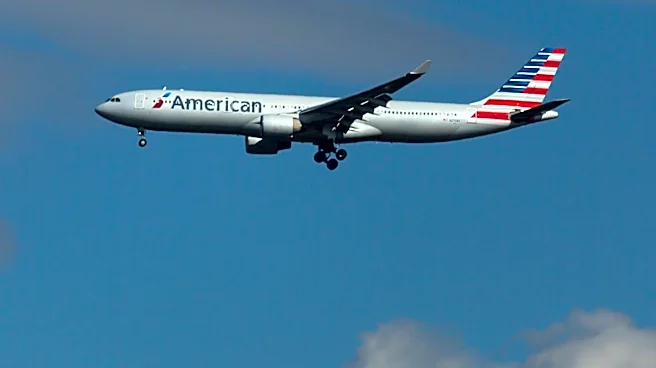
An American Eagle flight, en route from Arlington, Virginia, to Albany, New York, executed an emergency landing at Harrisburg International Airport on Monday night. The landing occurred around 9:45 p.m. after reports of smoke in the aircraft's cabin.
Firefighters were dispatched to the airport at approximately 9:35 p.m. The plane landed safely and came to a stop at the end of the runway. All passengers were able to exit the aircraft onto the taxiway and were subsequently transported to the terminal building via bus. Following the incident, the airport's runway was closed for slightly over an hour but has since reopened.
Why It's Important?
This incident highlights the critical importance of aviation safety protocols and the rapid response capabilities of airport emergency services. The successful and safe landing of the American Eagle flight, despite a reported cabin smoke issue, underscores the effectiveness of pilot training and air traffic control procedures in managing in-flight emergencies. For passengers, such events can be distressing, but the swift and organized evacuation demonstrates the industry's commitment to passenger safety. The temporary closure of a major airport runway, even for a short duration, can cause disruptions to flight schedules and impact air travel for other passengers and cargo operations, emphasizing the ripple effect of even isolated incidents in the interconnected air transportation network.
What's Next?
Authorities will likely conduct a thorough investigation into the cause of the smoke in the cabin to determine the exact nature of the malfunction and implement any necessary corrective actions. This investigation will involve examining the aircraft's maintenance records, interviewing the flight crew and passengers, and analyzing flight data recorders. The findings from this investigation could lead to updated safety guidelines or maintenance procedures for similar aircraft models. Passengers affected by the emergency landing will likely be re-accommodated on alternative flights to their destination. The airline will also be responsible for addressing any passenger concerns or compensation related to the disruption.
Beyond the Headlines
Beyond the immediate safety concerns, this event touches upon the broader public perception of air travel safety. While emergency landings are rare, they often garner significant media attention, which can influence public confidence in flying. The aviation industry continuously works to maintain an impeccable safety record, and incidents like this serve as reminders of the complex systems and human expertise involved in ensuring safe air travel. Furthermore, the incident could prompt a review of emergency response coordination between airlines, airports, and local emergency services to identify any areas for improvement in communication and operational efficiency during such events.