





What's Happening?
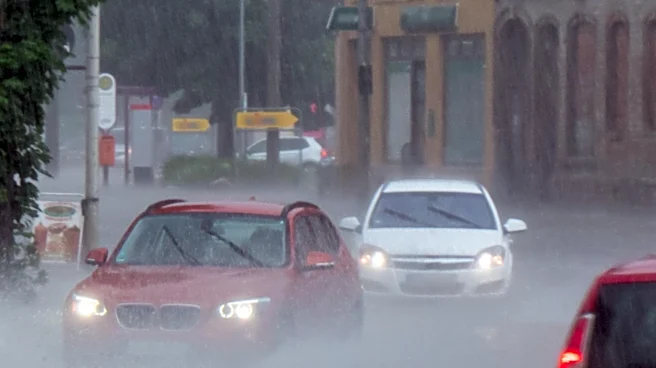
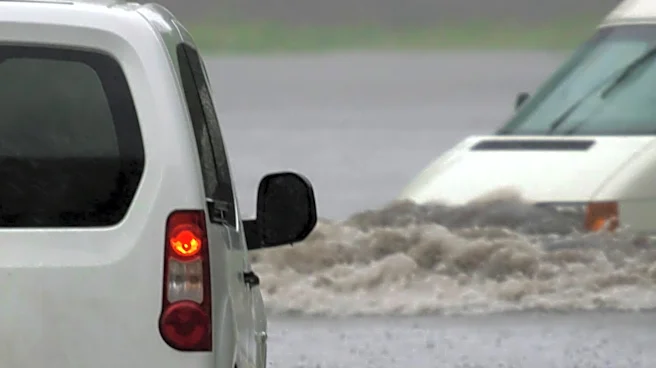
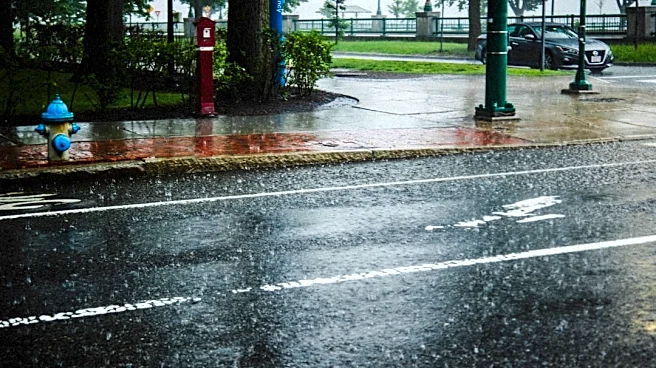
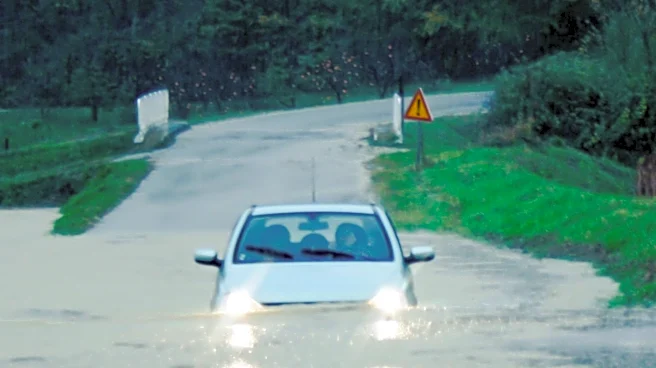
Warwick, Rhode Island, recently experienced significant rainfall, leading to flash flooding and a new record for daily precipitation. On September 13, T.F. Green International Airport in Warwick, which serves as the official weather observation site for the Providence
area, recorded 4.18 inches of rain. This amount surpassed the typical total rainfall for the entire month of September, which averages 3.62 inches. The National Weather Service reported widespread rainfall totals of 3 to 4 inches across central Rhode Island and southeastern Massachusetts, with some localized areas receiving between 4 and 5 inches. Flash flooding was reported in several communities, including Warwick, West Warwick, West Greenwich, and South Providence. While Warwick set a daily record, the town of Bristol received the highest overall rainfall in the region, with 6.11 inches. The Community Collaborative Rain, Hail and Snow Network, a volunteer organization working with the National Weather Service, collected these measurements from 77 different sites.
Why It's Important?
The record rainfall and subsequent flash flooding in Warwick and surrounding areas highlight the increasing vulnerability of urban and suburban infrastructure to extreme weather events. Such events can lead to significant disruptions, including road closures, property damage, and potential public safety hazards. For residents and businesses in affected areas, the immediate impact includes potential financial losses from water damage and interruptions to daily routines. The strain on emergency services during flash flood events can also be substantial. Furthermore, these occurrences underscore the need for robust stormwater management systems and resilient urban planning to mitigate the effects of heavy precipitation. The economic impact can extend beyond immediate damage, affecting local commerce and potentially increasing insurance claims, which could lead to higher premiums in flood-prone regions. The event also serves as a reminder for communities to review and update their emergency preparedness plans.
What's Next?
Following the flash flooding, local authorities in Warwick and other affected Rhode Island communities will likely focus on damage assessment and recovery efforts. This includes evaluating the integrity of infrastructure, clearing debris, and assisting residents with flood-related issues. Emergency management agencies may issue advisories regarding potential health risks associated with floodwaters. In the longer term, there may be discussions about enhancing existing drainage systems and implementing new flood mitigation strategies to better prepare for future heavy rainfall events. Local government bodies might review zoning regulations and construction codes to ensure new developments are resilient to increased precipitation. Additionally, public awareness campaigns on flood preparedness and safety could be initiated or reinforced to help residents understand how to respond to similar events. The Rhode Island Department of Environmental Management (DEM) may also continue its efforts in land conservation, as seen with a recent 27-acre conservation in Tiverton, which can play a role in natural flood attenuation.
Beyond the Headlines
The recent record rainfall in Warwick and the broader Rhode Island area points to a larger trend of more intense and frequent extreme weather events, which scientists often link to climate change. This development raises critical questions about urban resilience and adaptation strategies in coastal and low-lying regions. Beyond immediate infrastructure concerns, there are broader implications for environmental policy and resource management. Increased runoff can lead to water quality issues in local rivers and Narragansett Bay, impacting ecosystems and recreational activities. The event also highlights socio-economic disparities, as communities with older infrastructure or lower-income populations may be disproportionately affected by flooding due to limited resources for mitigation and recovery. This situation could prompt a re-evaluation of federal and state funding allocations for climate resilience projects, emphasizing proactive measures rather than reactive responses to disasters. The long-term shift in weather patterns necessitates a comprehensive, multi-faceted approach involving urban planners, environmental scientists, and policymakers to build more sustainable and flood-resistant communities.