


What's Happening?
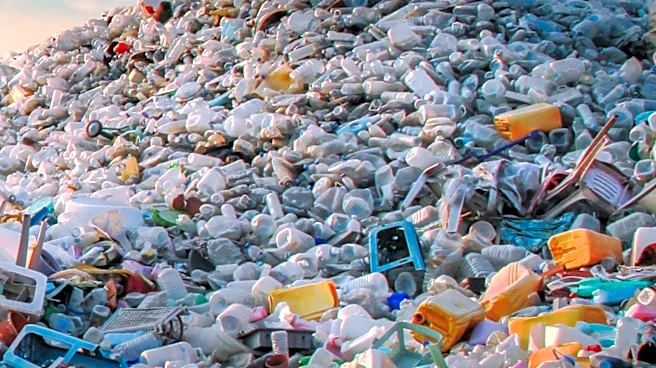
Connecticut is grappling with a significant waste management crisis, generating more household trash than it can dispose of within its borders. The problem intensified with the 2022 closure of the Hartford MIRA waste-to-energy facility, which previously
processed approximately 15% of the state's municipal solid waste (MSW). In 2024, the state produced nearly 2.3 million tons of MSW, with 41% being shipped to out-of-state landfills. This situation has led to skyrocketing municipal tipping fees and property taxes, with Hamden's tipping fee budget nearly doubling from $1.1 million in 2019 to $2.15 million in 2022. A proposed gasification plant by SMART Technology, LLC in Plainfield, intended to replace the MIRA incinerator, has been met with public opposition and its application was withdrawn, though the company intends to resubmit. Critics argue that this gasification technology is unproven for household waste on a commercial scale in the U.S. and has a history of failures in Europe.
Why It's Important?
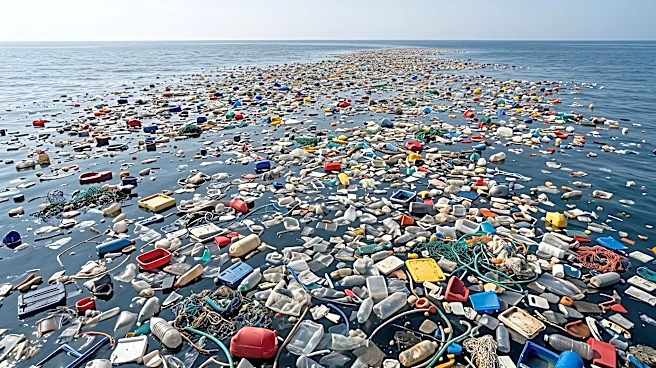
The waste management crisis in Connecticut has far-reaching implications for the state's environment, economy, and social equity. The reliance on out-of-state landfills increases transportation costs and environmental impact, while rising tipping fees burden municipalities and taxpayers. The historical pattern of locating waste facilities in low-income neighborhoods, such as Plainfield, raises environmental justice concerns, as these communities disproportionately bear the brunt of pollution. The proposed incinerator, if built, could emit substantial quantities of greenhouse gases and toxic chemicals, exacerbating air quality issues and posing health risks, including increased cardiovascular and respiratory diseases. Furthermore, the potential for the state to invest hundreds of millions of dollars in a technology with a questionable track record could result in a financial boondoggle without addressing the root causes of the waste crisis.
What's Next?
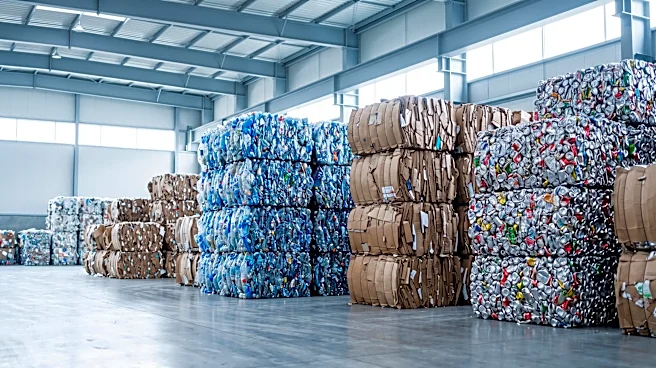
SMART Technology, LLC has indicated its intention to amend and resubmit its application for the Plainfield gasification plant, suggesting that the debate over this specific solution will continue. The state faces pressure to invest in durable and sustainable solutions that reduce overall waste generation and enhance recycling and producer responsibility programs. Examples of successful initiatives include food scrap diversion programs, which saw a significant increase from less than 10,000 tons in 2021 to over 50,000 tons in 2024, and the bottle bill, which has proven effective in reducing litter. Decision-makers will need to consider these alternatives and potentially scale up investments in diversion, recycling, and composting, particularly for paper products and food scraps, which constitute over 40% of the state's MSW. Public engagement and communication with legislators will likely play a crucial role in shaping future waste management policies.
Beyond the Headlines
The Connecticut waste crisis highlights a broader national challenge in managing municipal solid waste and the tension between economic pressures, environmental protection, and social equity. The debate over incineration versus more sustainable practices like recycling and composting reflects differing philosophies on waste management. Incineration, while offering a solution for volume reduction, often carries significant environmental and health costs, particularly for communities located near these facilities. The emphasis on producer responsibility and consumer education points to a shift towards a circular economy model, where waste is minimized, and resources are reused or recycled. This situation also underscores the need for robust regulatory oversight and careful evaluation of new technologies to prevent costly failures and ensure public health and environmental integrity. The long-term implications involve not just waste disposal but also the promotion of sustainable consumption patterns and equitable distribution of environmental burdens.