
What's Happening?
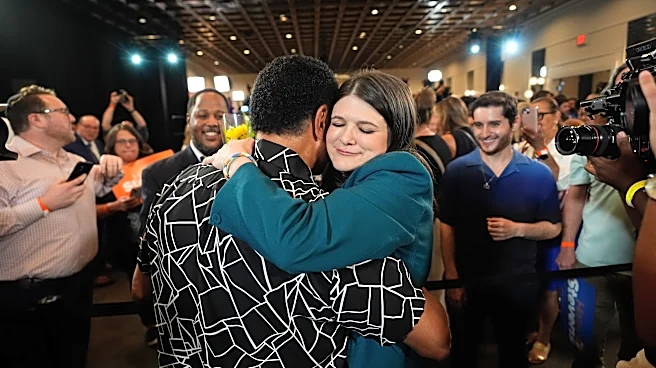
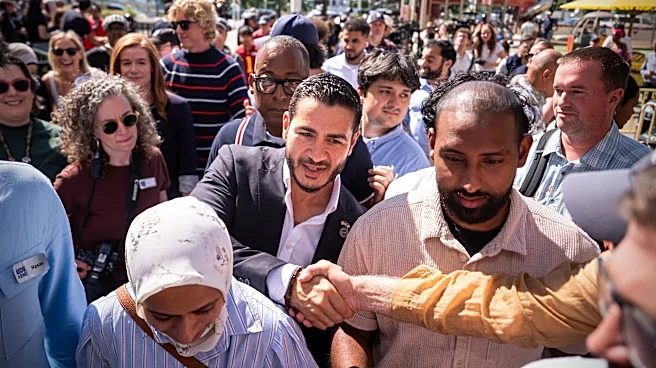
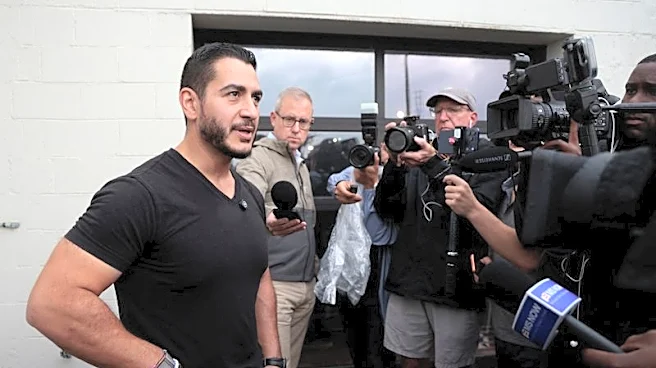
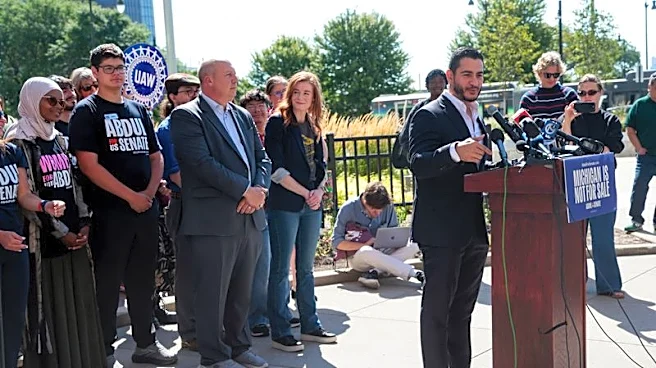
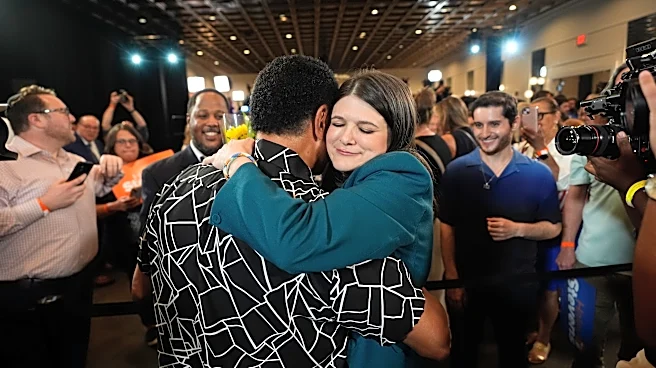
Abdul El-Sayed, a progressive candidate, has won the Democratic nomination for Senate in Michigan, a state previously won by President Trump. Despite his victory, El-Sayed faces criticism from Black leadership, including Rep. Jim Clyburn, for not garnering
enough support from Black voters. El-Sayed narrowly defeated moderate Rep. Haley Stevens, highlighting a divide within the Democratic Party between progressive and moderate factions. The Congressional Black Caucus PAC has also advised against supporting another progressive candidate, William Lawrence, due to his comments on Israel and Black leadership. El-Sayed's challenge now is to unite the party and appeal to Black voters ahead of the general election.
Why It's Important?
The outcome of El-Sayed's campaign could significantly impact the Democratic Party's strategy in swing states like Michigan. His ability to attract Black voters, a crucial demographic for Democrats, will be pivotal in determining the party's success in the upcoming elections. The tension between progressive and moderate wings of the party reflects broader national debates on the direction of Democratic policies. If El-Sayed can successfully bridge these divides, it may signal a shift towards more progressive policies within the party. Conversely, failure to do so could weaken Democratic chances in key battleground states.
What's Next?
El-Sayed must work to consolidate support from Black voters and moderate Democrats while maintaining his progressive base. This involves addressing concerns raised by leaders like Clyburn and potentially moderating his platform to appeal to a broader electorate. The general election will test whether progressive candidates can succeed in swing states, influencing future Democratic strategies. Observers will watch closely to see if El-Sayed can pivot effectively without alienating his core supporters.