






What's Happening?
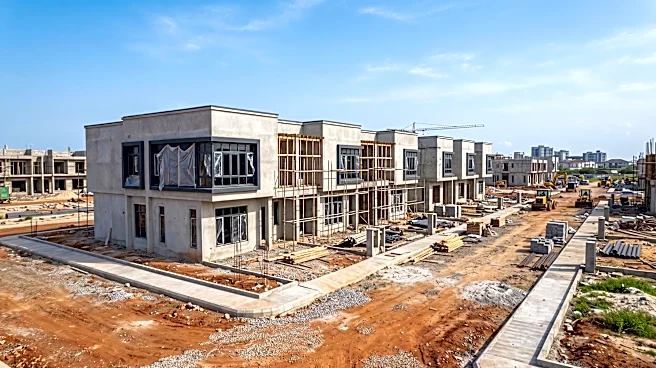
The Nigerian Government has commenced the construction of 2,000 affordable housing units in Ibeju-Lekki, Lagos State, through a public-private partnership. This initiative, part of President Bola Ahmed Tinubu’s Renewed Hope Agenda, aims to boost housing supply,
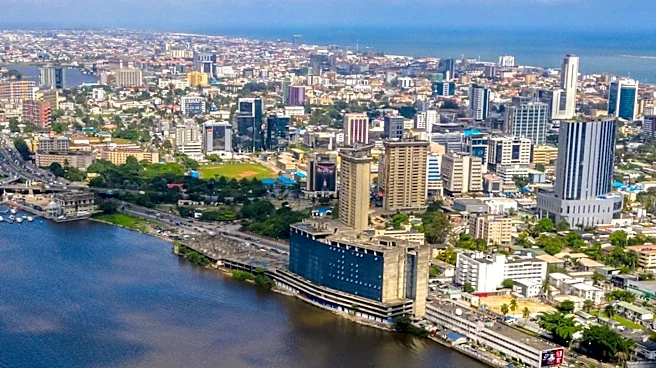
create employment opportunities, and foster sustainable urban development. Dr. Muttaqha Rabe Darma, the Minister of Housing and Urban Development, performed the groundbreaking ceremony at Lekki Aviation Town. The project, a collaboration with Harmony Gardens and Estate Development Limited and Metroscape Development Company Limited, will feature two- and three-bedroom homes. Ibeju-Lekki is a rapidly developing economic corridor in Lagos, influenced by significant projects such as the Dangote Refinery, Lekki Deep Sea Port, and Lekki Free Trade Zone. The government is also implementing mortgage reforms to enhance homeownership access, with prospective buyers able to make an initial deposit of N100,000 and spread payments over 25 years via the Federal Mortgage Bank of Nigeria. This scheme is designed to benefit various segments of the population, including civil servants, teachers, police officers, nurses, young entrepreneurs, and Nigerians residing abroad.
Why It's Important?
This housing project and the accompanying mortgage reforms are crucial for addressing Nigeria's significant housing deficit and stimulating economic growth. By increasing the supply of affordable homes, the government aims to improve living standards for a broad spectrum of the population. The public-private partnership model demonstrates a strategy to leverage private capital and expertise for large-scale development, potentially setting a precedent for future infrastructure projects. The focus on Ibeju-Lekki, an area with burgeoning commercial importance, suggests a strategic effort to integrate residential development with economic hubs, thereby reducing commute times and fostering local economies. The extended mortgage payment terms make homeownership more attainable for middle- and lower-income earners, which could lead to increased financial stability and wealth creation for families. Furthermore, the emphasis on stronger regulation in the built environment is vital for preventing construction-related issues and ensuring the safety and quality of new developments, which has been a concern in the past.
What's Next?
The success of this 2,000-unit housing project will be measured by the timely delivery of quality, affordable homes, rather than just the groundbreaking ceremony. The Ministry of Housing and Urban Development will provide institutional oversight and quality assurance to ensure the project serves as a model for future large-scale housing initiatives across Nigeria. There will be continued efforts to harmonize the operations of various agencies to improve coordination and access to mortgage financing. Additionally, the government is expected to encourage more credible investors to partner with Lagos State to tackle the housing shortages exacerbated by the state's growing population. The Chairman of the House of Representatives Committee on Urban Development and Regional Planning, Hon. Awaji Inombek Abiante, has called for integrated planning to ensure that these housing developments do not create new challenges related to transportation, markets, and access to essential services, indicating a need for comprehensive urban planning moving forward.
Beyond the Headlines
This initiative extends beyond merely providing shelter; it represents a broader strategy to address socio-economic disparities and promote inclusive growth. By making homeownership more accessible, the government is investing in the long-term stability and prosperity of its citizens, potentially reducing urban informal settlements and improving overall quality of life. The project's location in a rapidly industrializing zone like Ibeju-Lekki highlights a deliberate attempt to create self-sustaining communities where residents live close to their workplaces, thereby reducing urban sprawl and traffic congestion. The emphasis on private-sector partnerships also signals a shift towards market-driven solutions for public welfare, which could attract further domestic and international investment in Nigeria's real estate sector. This approach could also foster a more robust and regulated construction industry, leading to higher standards and greater accountability, ultimately benefiting consumers and the urban landscape.