





What's Happening?
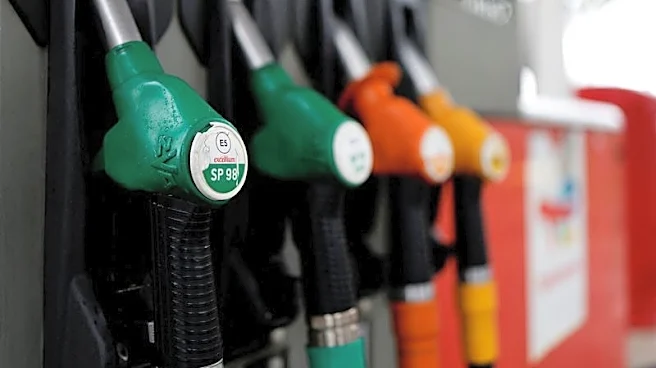
Oil prices have continued to rise, with Brent crude futures reaching over $115 per barrel, as President Trump issues new threats to Iran amidst ongoing conflict. The U.S. plans to extend its blockade of Iranian ports, further straining global oil supply
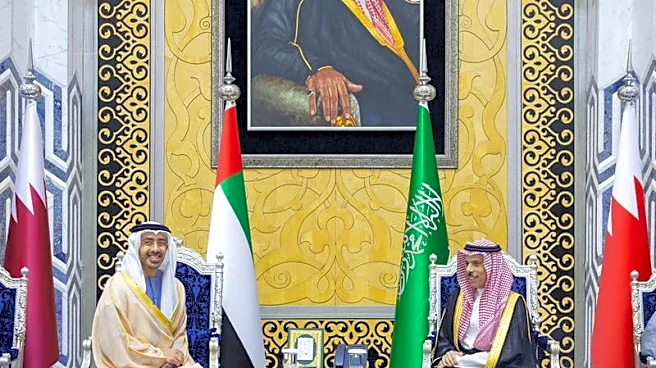
chains. The UAE's recent departure from OPEC adds to market uncertainty, as traders anticipate prolonged disruptions in the Strait of Hormuz, a critical chokepoint for global oil shipments. The conflict has already led to significant increases in oil prices, with West Texas Intermediate futures also experiencing substantial gains.
Why It's Important?
The escalation in oil prices has wide-ranging implications for the global economy, particularly for countries heavily reliant on oil imports. Higher energy costs can lead to increased inflation, affecting consumer prices and economic growth. The geopolitical tensions between the U.S. and Iran, coupled with the UAE's exit from OPEC, contribute to market volatility and uncertainty. These developments underscore the interconnectedness of global energy markets and the potential for regional conflicts to have far-reaching economic impacts.
What's Next?
The continuation of the conflict and the U.S.'s strategic moves will likely keep oil markets on edge. Traders and policymakers will be closely monitoring the situation for any signs of resolution or further escalation. The potential for diplomatic negotiations remains uncertain, and any changes in the geopolitical landscape could significantly impact oil prices and market stability. Additionally, the response from other oil-producing nations and international organizations will be crucial in determining the future direction of global energy markets.