



What's Happening?
The Beggs Police Department in Oklahoma has faced significant turmoil, employing five police chiefs within a 16-month period and operating without any officers for 48 days. Assistant Chief John Palacio, who served as the third chief during this period,
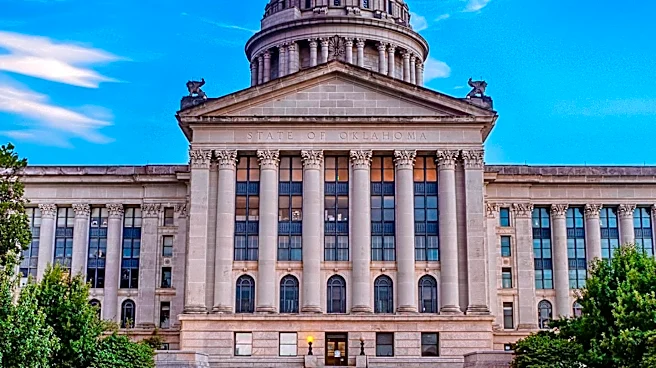
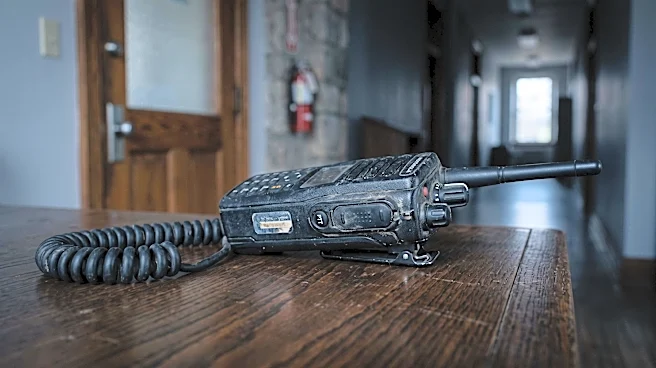
uncovered numerous issues upon his arrival, including dozens of uninvestigated burglaries, missing M16 rifles, and a non-functional police radio. Palacio resigned in December 2025 due to a dispute over tracking his hours. Subsequently, interim chief Daniel Gilbert, assistant chief Bobby Tollette, and part-time officer Bobby Sappington resigned in July, citing internal conflict and preferential treatment given to an officer by the mayor. The interim chief appointed after them also resigned a week later. The Attorney General's office provided temporary municipal police authority for 30 days but left without a transition plan, leaving Beggs without police coverage for an extended period. Open records requests revealed further concerns, including a blood sample in a vehicular death case allegedly left in a refrigerator for 30 days, potentially violating state evidence law.
Why It's Important?
The severe instability and operational failures within the Beggs Police Department pose significant public safety risks for the community. The lack of consistent leadership, uninvestigated crimes, and missing departmental assets indicate a breakdown in law enforcement infrastructure, potentially leading to increased crime rates and a loss of public trust. The 48-day period without any police presence left residents vulnerable and without immediate emergency response capabilities. Furthermore, the alleged mishandling of evidence in a vehicular death case could compromise justice and undermine legal processes. This situation highlights critical issues in municipal governance and oversight, particularly in smaller jurisdictions, where such lapses can have profound and immediate impacts on the daily lives and security of citizens. The events in Beggs underscore the necessity of robust internal controls and external accountability for local law enforcement agencies.
What's Next?
Beggs has since appointed Tristan Hall from the Cherokee Police Department as its new chief, signaling an attempt to restore stability and order to the department. However, the challenges remain substantial, including rebuilding public trust, addressing the backlog of uninvestigated cases, and implementing proper protocols for evidence handling and departmental operations. The city council will likely face increased scrutiny regarding its oversight of the police department and its role in the previous leadership crises. The incident involving a city council member's arrest for grand larceny during the meeting where Chief Hall was confirmed further complicates efforts to restore confidence in local governance. The community will be watching closely to see if the new leadership can effectively address the systemic issues and ensure consistent law enforcement services.
Beyond the Headlines
The situation in Beggs reflects broader challenges faced by small municipal police departments across the U.S., including issues of funding, recruitment, training, and oversight. The rapid turnover of leadership and the operational lapses suggest deeper systemic problems that may extend beyond individual personnel. This case could prompt discussions about state-level intervention or support for struggling local law enforcement agencies, particularly in ensuring compliance with state laws regarding evidence handling and departmental administration. The lack of a transition plan from the Attorney General's office also raises questions about inter-agency cooperation and responsibility in crisis situations. Ultimately, the events in Beggs serve as a stark reminder of the fragility of local governance and the critical importance of effective, stable law enforcement for community well-being and the rule of law.