






What's Happening?
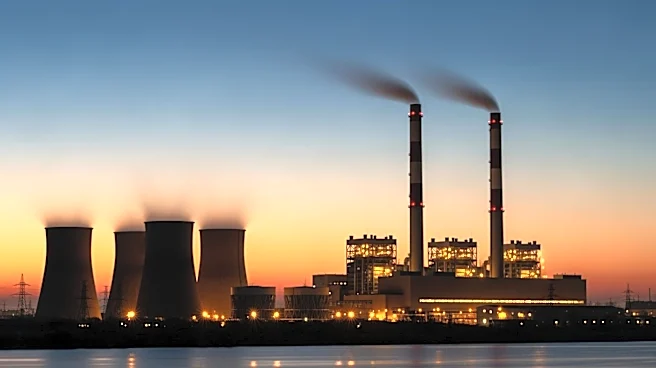
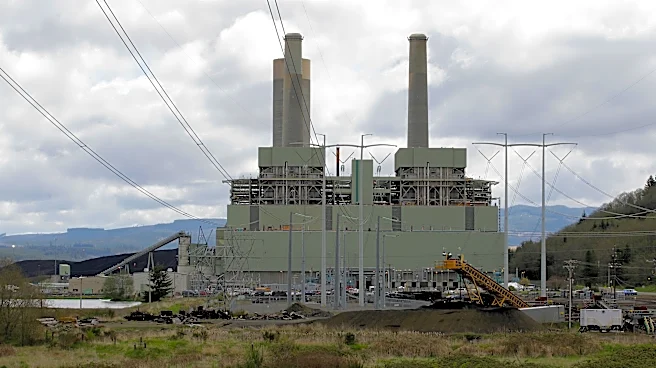
The R.M. Schahfer Generating Station in Indiana is facing scrutiny as two of its coal generating units are reported broken ahead of a potential renewal of a U.S. Department of Energy emergency order. The order, initially issued in December 2025, was intended
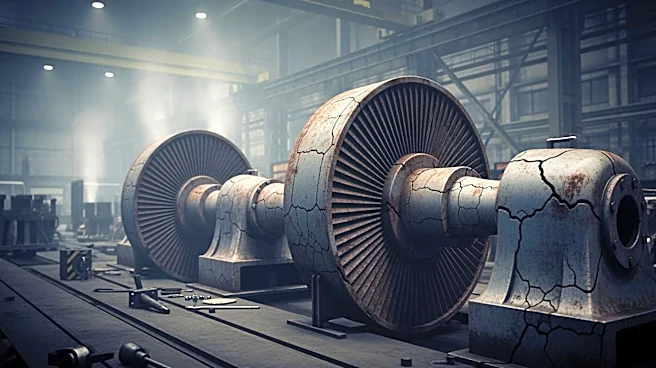
to prevent blackouts during peak demand periods. However, environmental advocates, including Earthjustice, have revealed that units 17 and 18 are non-operational, raising questions about the plant's viability. The emergency order, which has been renewed once, is expected to be extended again on June 21. Despite the DOE's claims of preventing blackouts, critics argue that the order unnecessarily burdens ratepayers and prolongs the operation of an environmentally harmful facility.
Why It's Important?
The situation at the Schahfer plant highlights the ongoing debate over the role of coal in the U.S. energy mix, particularly as the country transitions to cleaner energy sources. The broken units and the potential renewal of the emergency order underscore the challenges of maintaining grid reliability while addressing environmental concerns. The plant's continued operation could lead to increased utility costs for consumers and further environmental degradation due to coal ash production. This case also reflects broader regulatory and policy challenges as the U.S. navigates its energy transition, balancing economic, environmental, and reliability considerations.
What's Next?
The upcoming decision on the renewal of the DOE's emergency order will be pivotal. If renewed, it could set a precedent for similar actions in the future, potentially delaying the retirement of other coal plants. Environmental groups are likely to continue their advocacy against such orders, emphasizing the need for cleaner energy solutions. Additionally, the U.S. Environmental Protection Agency's ongoing review of coal ash regulations could impact the plant's operations and the broader coal industry. Stakeholders, including local communities and environmental advocates, will be closely monitoring these developments.