



What's Happening?
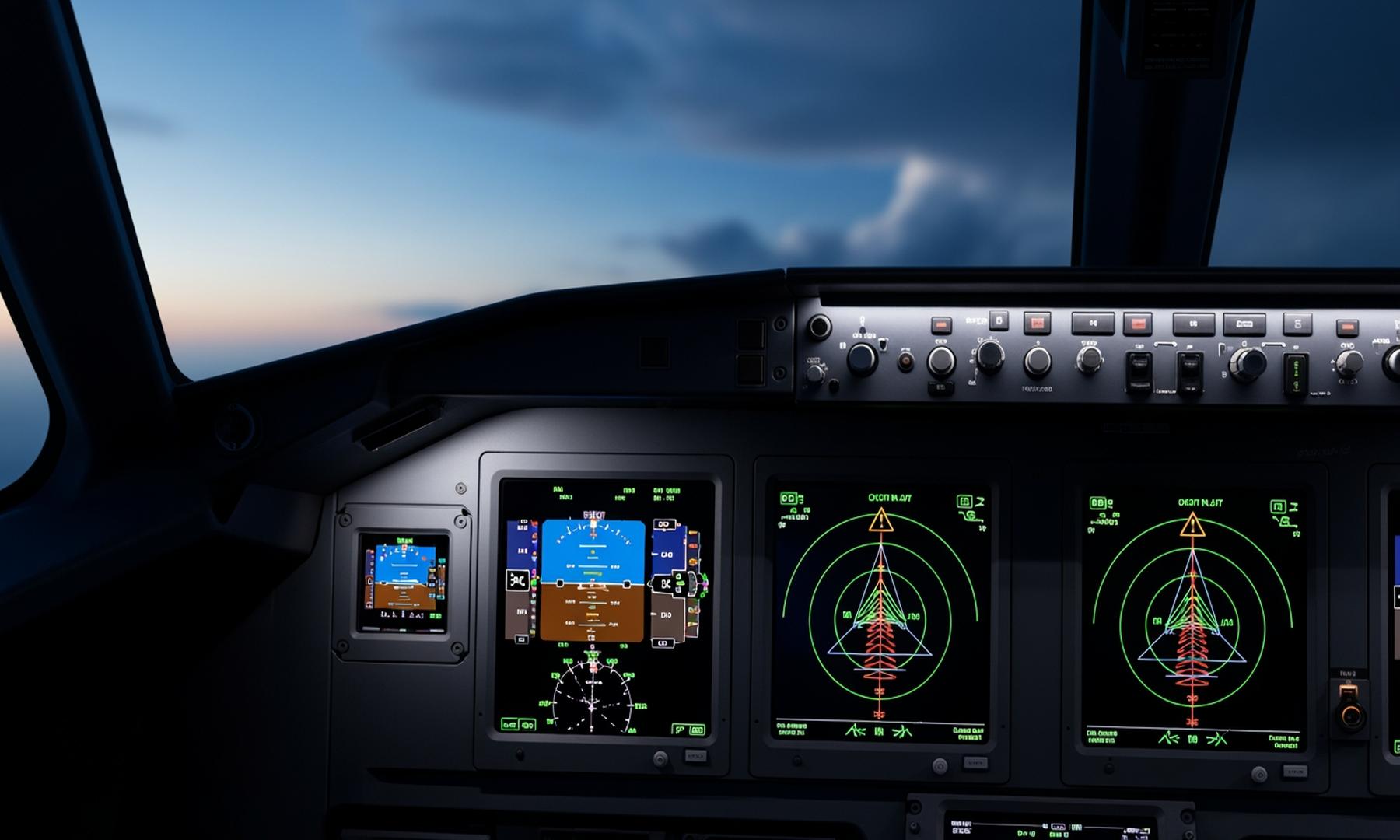
The U.S. House of Representatives narrowly rejected the ROTOR Act, an aviation safety bill, after the Pentagon withdrew its support. The bill, which aimed to mandate the use of ADS-B technology to prevent midair collisions, was spurred by a deadly crash
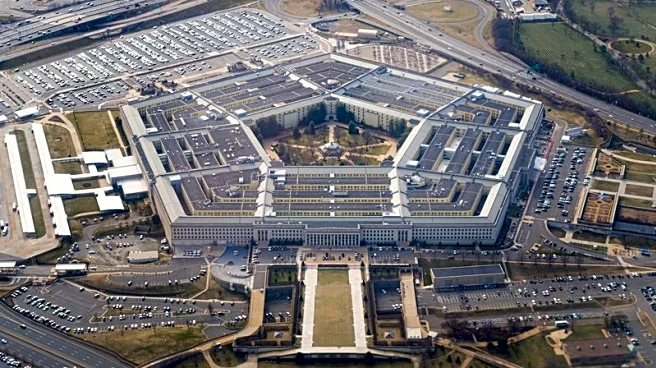
near Washington, D.C. Despite unanimous Senate approval and support from crash victims' families, the bill faced opposition from over 130 Republicans. The Pentagon cited budgetary and security concerns, while some House leaders argued the bill could compromise national security by requiring military aircraft to broadcast their locations.
Why It's Important?
The rejection of the ROTOR Act highlights the complexities of balancing safety regulations with national security concerns. The decision underscores the challenges in passing legislation that affects both civilian and military operations. The outcome also reflects the influence of powerful political figures and committees in shaping legislative priorities. The failure to pass the bill may delay the implementation of safety measures that could prevent future aviation accidents, raising questions about the prioritization of safety versus security.
What's Next?
Advocates for the ROTOR Act, including its co-author Sen. Ted Cruz, vow to continue pushing for its passage. The bill's supporters, including crash victims' families, are calling for another vote. Meanwhile, alternative legislation, such as the ALERT Act, may be considered as a compromise. The ongoing debate will likely involve further discussions on the balance between safety and security, as well as the financial implications of implementing new technologies in aviation.