






What's Happening?
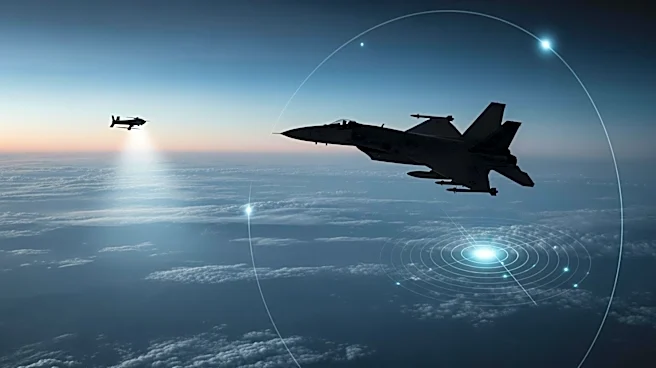
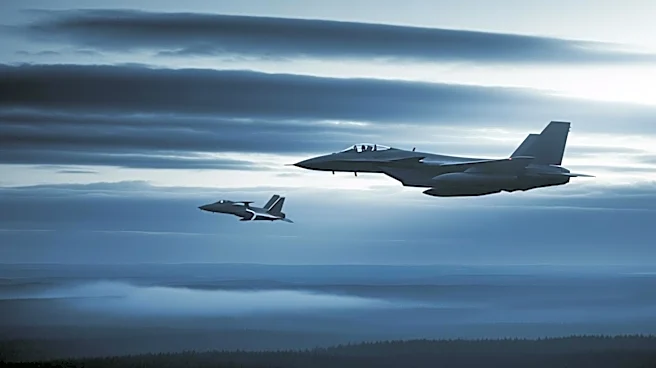
French fighter jets, part of NATO's Baltic Air Policing mission, successfully intercepted and shot down a drone that entered Latvian airspace on June 8. This marks the first instance of a drone being shot down in Latvian airspace by NATO forces. The drone was
reportedly diverted into Latvia by Russian electronic warfare systems, prompting NATO aircraft to respond to the threat. The interception followed air raid alerts issued in several northeastern and eastern regions of Latvia, warning residents of a potential aerial threat. This incident is part of a series of drone incursions that have raised security concerns across the Baltic region, with at least five such cases recorded in Latvia since early May. The issue gained attention after a Ukrainian drone crashed into an oil facility in eastern Latvia on May 7, having been diverted by Russian countermeasures.
Why It's Important?
The interception of the drone by NATO forces underscores the growing security challenges in the Baltic region, particularly concerning airspace violations. These repeated drone incursions have heightened tensions and sparked political debate in Latvia regarding the country's air defense capabilities and border security. The situation has contributed to a political crisis, leading to the resignation announcement of former Latvian Prime Minister Evika Silina. The incident also highlights the broader geopolitical tensions involving Russia, Ukraine, and NATO, as electronic warfare and drone technology become increasingly central to modern military strategies. The ability of NATO to respond effectively to such threats is crucial for maintaining stability and security in the region.
What's Next?
The ongoing drone incursions are likely to prompt further discussions within NATO and among Baltic states about enhancing air defense systems and improving coordination to address such threats. Latvia and its neighbors may seek to bolster their military capabilities and increase cooperation with NATO to ensure rapid response to future incidents. Additionally, the political ramifications in Latvia could lead to changes in government policy or leadership, as public and political pressure mounts to address security vulnerabilities. The situation may also influence NATO's strategic planning and resource allocation in the Baltic region, as the alliance seeks to deter further provocations and ensure the security of its member states.