







What's Happening?
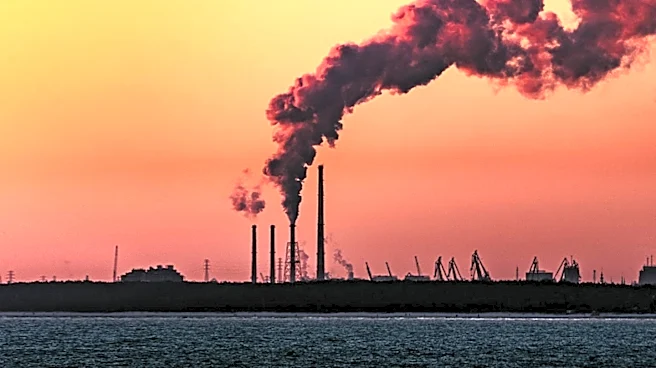
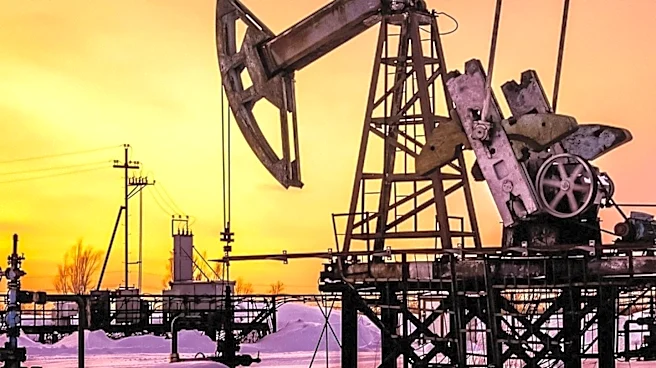
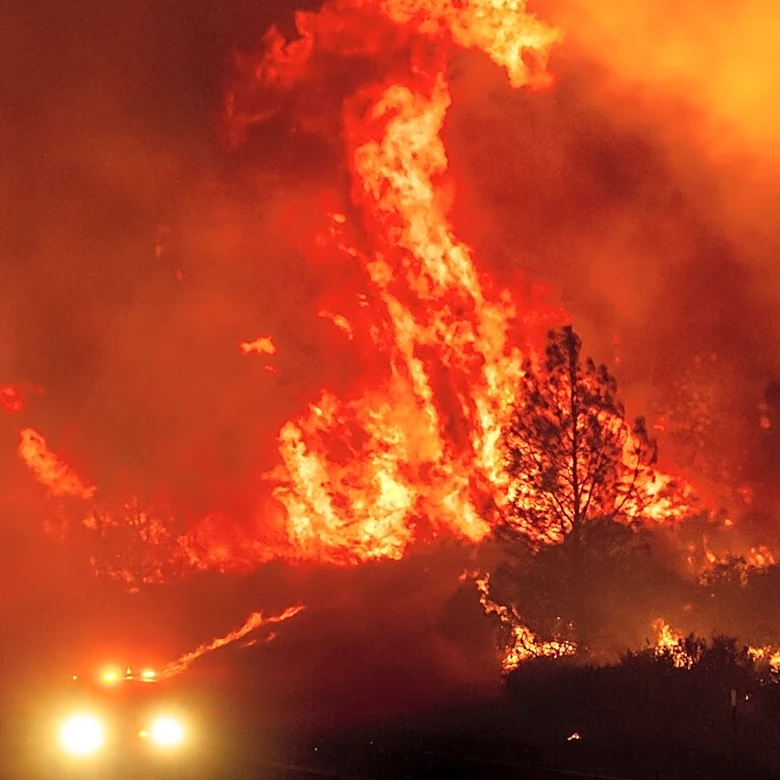
Oil companies, including Exxon Mobil, BP, Chevron, and Shell, are facing lawsuits for their alleged role in contributing to climate change and extreme heat events. A notable case in Washington state involves a lawsuit filed by Misti Leon, whose mother
died from overheating during a record heatwave. The lawsuit claims that the oil companies knew about the harmful effects of fossil fuel emissions but misled the public. This case is part of a broader trend, with nearly 40 similar lawsuits pending across the U.S. The oil industry is fighting back by lobbying for immunity laws to shield them from such lawsuits.
Why It's Important?
These lawsuits represent a significant legal challenge to the oil industry, potentially holding them accountable for their contributions to climate change. If successful, these cases could set a precedent for future litigation and force oil companies to pay for damages caused by climate-related events. The industry's response, including lobbying for immunity laws, indicates the high stakes involved. The outcome of these cases could influence public policy and corporate practices, potentially accelerating the transition to renewable energy and stricter environmental regulations.
What's Next?
As the lawsuits progress, the oil industry is expected to continue its efforts to secure legal protections. The outcome of a pending Supreme Court case involving Boulder, Colorado, could have significant implications for climate litigation nationwide. Meanwhile, the legal battles may prompt increased scrutiny of the oil industry's practices and their impact on climate change. Policymakers and environmental advocates will likely push for stronger regulations and accountability measures to address the root causes of climate change and protect vulnerable communities from its effects.