





What's Happening?
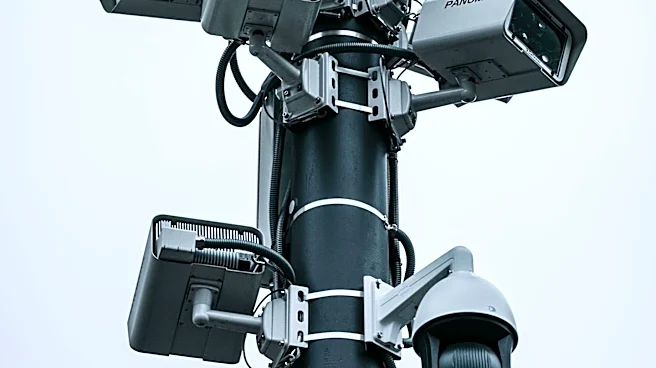
The city of Kemmerer, Wyoming, is embroiled in a privacy debate following the installation of new surveillance cameras, which were mistakenly identified on social media as 'Flock cameras.' This misidentification led to public outcry and concerns about
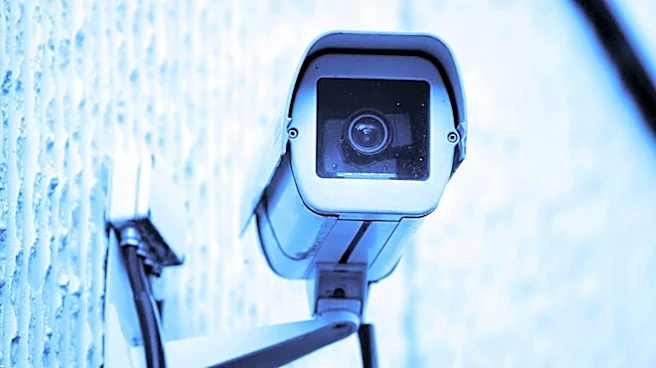
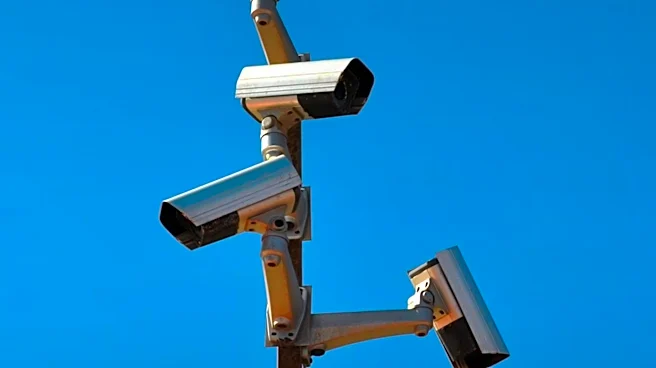
police surveillance and personal privacy. Kemmerer Police Chief Michael Kahre clarified that the cameras are standard surveillance devices, similar to those used by businesses and schools, and are not part of the Flock Safety system or equipped with automated license-plate reader technology. Mayor Robert Bowen stated that the city had already purchased the cameras and that they do not collect data, are not routinely monitored in real-time, and lack artificial intelligence or facial recognition capabilities. Town Attorney Jason Petri provided a legal opinion to the city council, asserting that the cameras do not violate residents' privacy rights, citing U.S. Supreme Court decisions on the expectation of privacy in public places. The cameras were funded by industrial assistance payments from the TerraPower project, a nuclear power plant backed by Bill Gates, and are intended as a public safety tool, not due to an anticipated increase in crime.
Why It's Important?
This incident highlights the growing public concern over surveillance technology and its implications for privacy, particularly in smaller communities. The rapid spread of misinformation on social media underscores the challenges local governments face in communicating effectively about new technologies and addressing public anxieties. The debate in Kemmerer reflects a broader national conversation about the balance between public safety and individual privacy rights, especially concerning advanced surveillance systems like Flock cameras and license-plate readers, which have generated controversy in other Wyoming towns like Glenrock, Jackson, and Green River. The city's efforts to clarify the nature of its cameras and the legal framework surrounding public surveillance are crucial for maintaining community trust and ensuring transparency in law enforcement practices. The funding source from the TerraPower project also touches on how industrial development can influence local infrastructure and public services, including security measures.
What's Next?
Kemmerer officials will likely continue their efforts to educate the public about the nature and function of their surveillance cameras to dispel further misinformation. The city council may consider formal policies or guidelines regarding the use and oversight of these cameras to enhance transparency and address lingering privacy concerns. The ongoing public debate could influence how other Wyoming communities approach the adoption of surveillance technologies, potentially leading to more proactive public engagement and clearer communication strategies. The legal interpretation provided by Town Attorney Jason Petri, based on Supreme Court precedents, will likely guide future discussions and decisions regarding surveillance in public spaces within Kemmerer. The incident also serves as a case study for how social media can rapidly amplify local issues and necessitate swift, clear responses from municipal authorities to manage public perception and maintain civic order.
Beyond the Headlines
The Kemmerer surveillance camera controversy delves into the fundamental tension between security and liberty in a technologically advancing society. The public's immediate assumption that the cameras were 'Flock cameras' reveals a widespread apprehension about sophisticated surveillance tools that can track and identify individuals, even in public spaces. This fear is rooted in concerns about potential government overreach, data privacy, and the erosion of anonymity. The incident also highlights the 'slippery slope' argument often made by privacy advocates: that seemingly innocuous surveillance measures can gradually lead to more intrusive systems. Ethically, the debate forces a community to weigh the perceived benefits of enhanced public safety against the potential for chilling effects on civil liberties and the right to be free from constant monitoring. The reliance on legal precedents regarding 'expectation of privacy in public places' also prompts a re-evaluation of these legal frameworks in an era of ubiquitous digital surveillance, questioning whether current laws adequately protect individual rights in the face of evolving technology.