




What's Happening?
Middle Eastern oil producers are accelerating plans to bypass the Strait of Hormuz due to ongoing tensions with Iran. The region is investing in pipeline projects to redirect oil supplies to ports along the Red Sea and the Gulf of Oman. These efforts
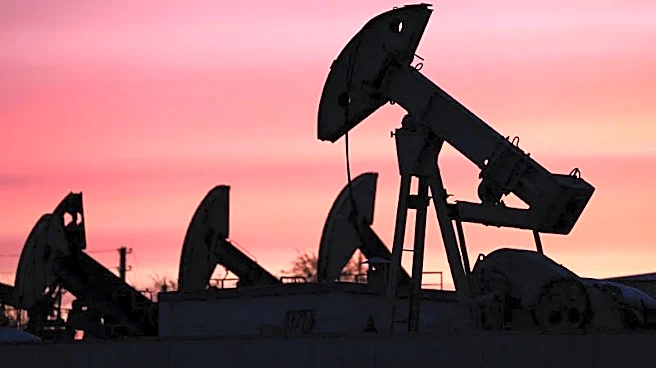
are driven by the need to reduce dependency on the strait, which is a critical chokepoint for global oil shipments. Current projects include the expansion of Saudi Arabia's East-West pipeline and the construction of a new pipeline in the UAE to the port of Fujairah. These initiatives aim to ensure a more secure and diversified oil export route, mitigating the risks associated with the strait's proximity to Iran.
Why It's Important?
The strategic shift away from the Strait of Hormuz is significant for global energy security, as the strait is a vital passage for a substantial portion of the world's oil supply. By developing alternative routes, Gulf countries aim to safeguard their oil exports from potential disruptions caused by geopolitical tensions. This move could stabilize oil markets by reducing the risk of supply shocks. However, the new routes also face challenges, such as increased costs and vulnerability to attacks, as demonstrated by recent incidents involving Houthi rebels targeting Saudi oil infrastructure.
What's Next?
The completion of these pipeline projects is expected to increase the capacity for oil exports bypassing the Strait of Hormuz. The UAE's pipeline to Fujairah is anticipated to be operational by mid-2027, while other projects are in various stages of development. These efforts will likely continue to evolve as Gulf countries seek to enhance their energy security. Additionally, the geopolitical landscape in the region will influence the pace and scope of these infrastructure developments, with potential implications for global oil prices and supply chains.