






What's Happening?
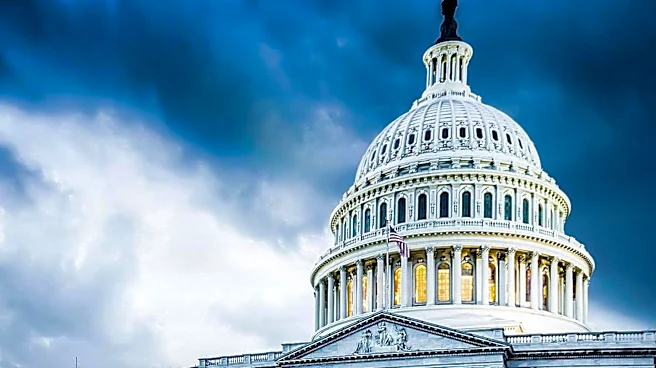
A potential wave election in 2026 could create an opportunity for significant reforms within the U.S. Congress, drawing parallels to the institutional changes that followed the 1974 midterm elections. The 1974 election, influenced by the Vietnam War and
the Watergate scandal, brought in a large freshman class that played a crucial role in decentralizing congressional power. New members weakened the seniority system for committee assignments, shifting responsibility from the Ways and Means Committee to the Party Steering committee, which allowed junior members to advance more quickly. They also expanded the size of the powerful Ways and Means Committee, providing more opportunities for new members to influence legislation related to taxes, Social Security, and Medicare. This historical precedent suggests that a new influx of members in 2026, campaigning on reform, could similarly drive substantive changes in a currently centralized and often dysfunctional legislative branch.
Why It's Important?
The potential for congressional reform is critical for addressing perceived dysfunctions in the U.S. legislative process. A more decentralized and accessible committee system, as seen after 1974, could empower a broader range of lawmakers, potentially leading to more diverse policy perspectives and increased legislative output. This could impact various sectors, from economic policy to social programs, by allowing junior members to more effectively advocate for their constituents' needs. The historical example highlights how significant political shifts, such as a wave election, can disrupt established power structures and foster an environment conducive to institutional change. For the public, such reforms could lead to a more responsive and effective government, potentially restoring faith in democratic institutions amidst current challenges.
What's Next?
If the 2026 midterm election results in a significant wave, newly elected members will face the challenge of translating their campaign promises into tangible reforms. Drawing lessons from the 1974 class, they would need to harness their collective momentum, build coalitions with both new and experienced members, and strategically navigate the existing power structures within Congress. Potential reforms could include expanding the size of the U.S. House, restoring staff expertise, implementing ethics reforms, and establishing age limits for congressional service. The success of these efforts will depend on the ability of the incoming class to unite, negotiate, and exert influence, much like their predecessors did in the post-Watergate era.
Beyond the Headlines
The discussion of congressional reform touches upon fundamental questions about democratic representation and institutional effectiveness. The centralization of power in Congress, where influence often correlates with seniority, can stifle new ideas and limit the impact of junior members, potentially leading to legislative stagnation. A successful reform movement could re-energize the legislative branch, making it more dynamic and representative of the evolving electorate. However, such changes also present challenges, including potential resistance from entrenched interests and the need to balance efficiency with broader participation. The long-term implications could include a shift in the balance of power between different committees and leadership, potentially altering the legislative agenda and the types of policies that gain traction in Washington.