






What's Happening?
The U.S. imposition of a 50% tariff on Indian goods last year, followed by a brief reduction, has severely impacted India's textile industry. The situation worsened with the onset of the U.S.-Iran conflict, which has disrupted supply chains and increased
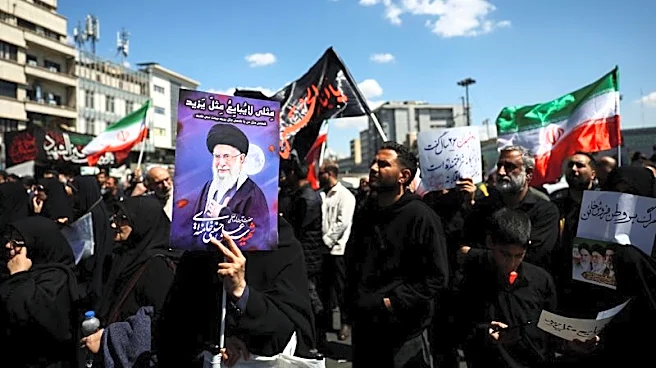
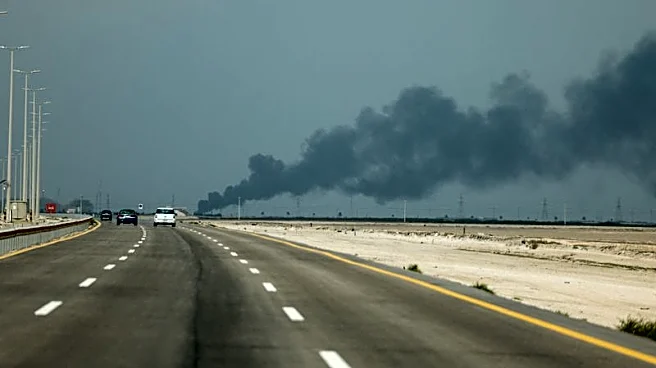
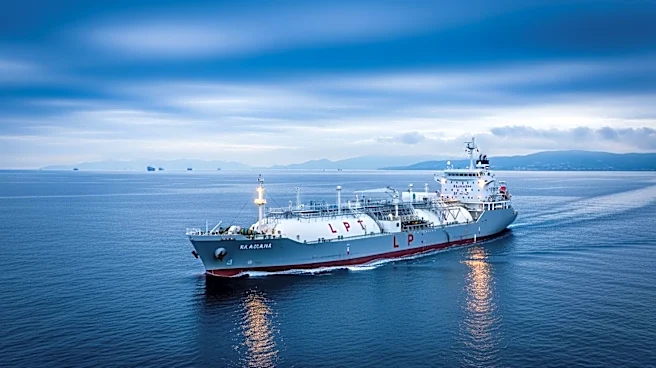
costs for raw materials and packaging. The conflict, which began with U.S. and Israeli strikes on Iran, has led to increased energy and freight costs, further straining the industry. India's textile sector, a major employer, is struggling with reduced demand and rising costs, threatening its goal of reaching $100 billion in annual exports by 2030.
Why It's Important?
The textile industry is a critical component of India's economy, supporting over 45 million jobs. The U.S. tariffs and the Iran conflict have created significant challenges, potentially leading to job losses and economic instability in the sector. The increased costs and disrupted supply chains could force companies to cut production, affecting global supply and prices. The situation highlights the vulnerability of global trade to geopolitical tensions and the need for diversification in supply chains to mitigate such risks.
What's Next?
The U.S. and Iran have agreed to a temporary ceasefire, which may provide some relief to the industry. However, the long-term outlook remains uncertain, with companies like Filatex India already reducing production. The industry may need to explore alternative markets and supply sources to stabilize operations. The situation underscores the importance of strategic planning and risk management in navigating geopolitical challenges.