


What's Happening?
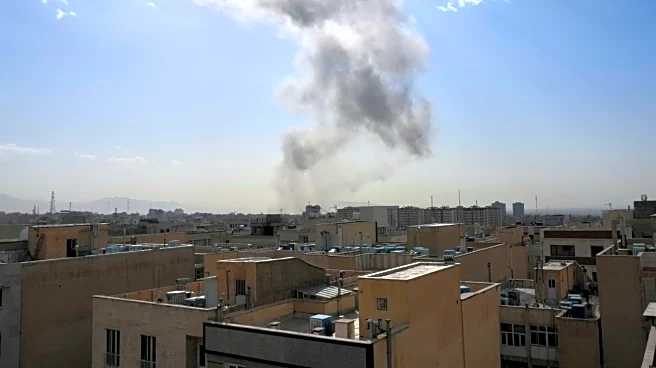
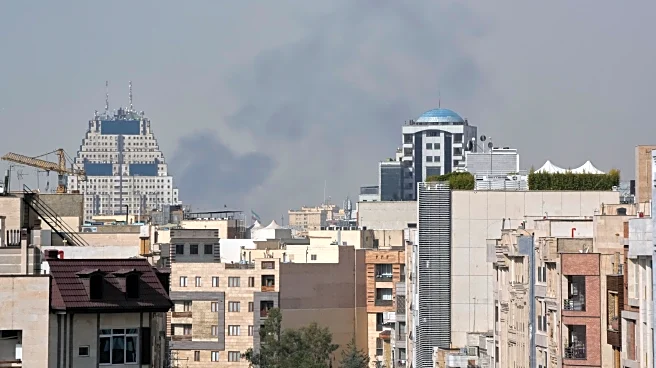
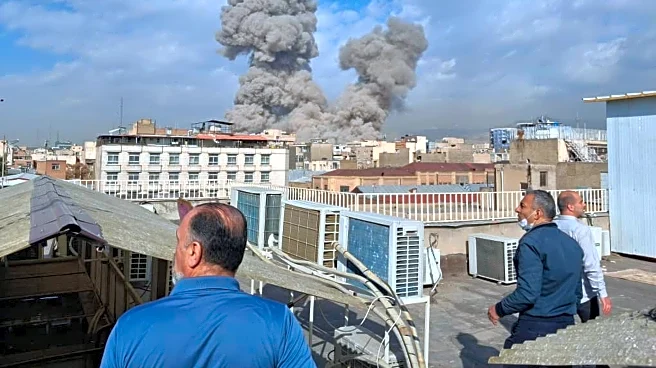
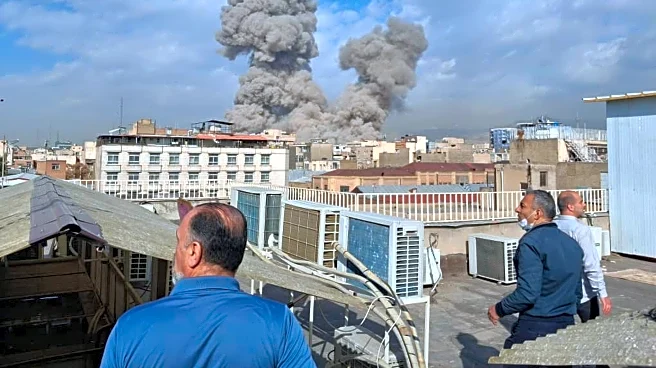
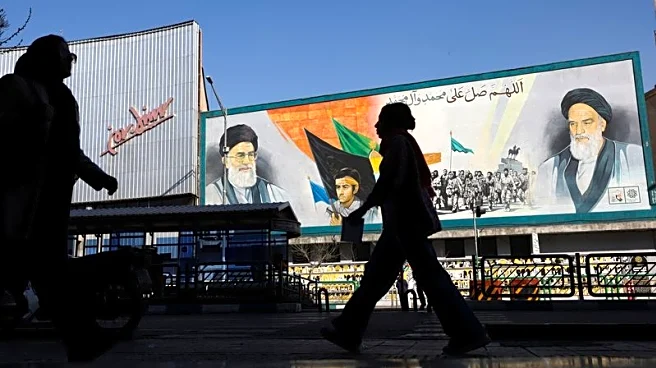
The U.S. has initiated major combat operations in Iran, targeting several ministries in Tehran, as confirmed by President Trump. This military action is anticipated to have significant market implications, potentially surpassing the effects of previous
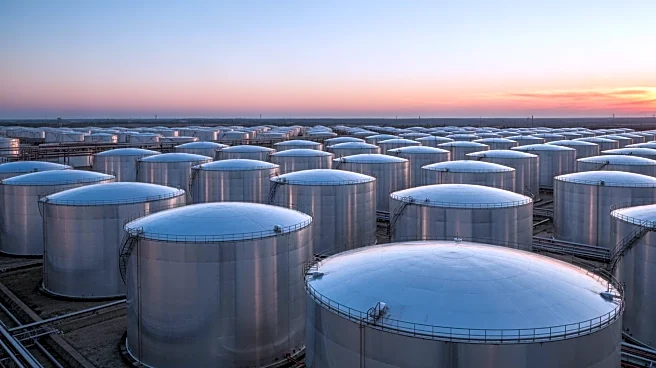
geopolitical events such as the situation in Venezuela. The Strait of Hormuz, a critical oil transit chokepoint, remains a focal point, with about 31% of global seaborne crude oil passing through it. Market analysts predict a possible increase in oil prices and a shift towards safe-haven assets like the U.S. dollar, Japanese yen, and gold. The market's response will be closely watched, especially given the historical context of similar events where initial market sell-offs were followed by recoveries.
Why It's Important?
The U.S. military action in Iran could have far-reaching consequences for global oil markets and economic stability. The Strait of Hormuz's strategic importance means any disruption could significantly impact oil supply and prices worldwide. Investors are preparing for potential volatility, with expectations of increased oil prices and a flight to safety in financial markets. This development could also influence U.S. economic policies and international relations, particularly with countries dependent on Middle Eastern oil. The situation underscores the interconnectedness of geopolitical events and global markets, highlighting the need for strategic economic planning and risk management.
What's Next?
Market participants will be monitoring the situation closely, especially the response from Iran and other global powers. Any escalation could lead to further market instability and impact global oil supply chains. The U.S. administration's next steps, including potential diplomatic efforts or additional military actions, will be critical in shaping the market's trajectory. Analysts will also be watching for any changes in OPEC+ policies, as the group may adjust oil output to stabilize markets. The geopolitical landscape will likely remain tense, with potential implications for international trade and economic policies.