






What's Happening?
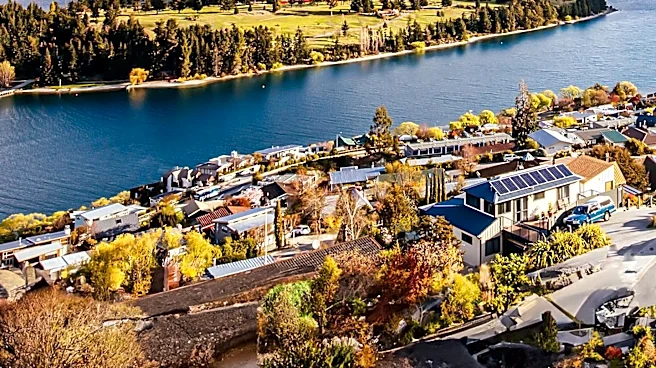
Queenstown, New Zealand, situated on the shores of Lake Wakatipu and encircled by the Remarkables mountain range, is widely known as the adventure capital of New Zealand. The town offers a diverse range of activities, including bungee jumping, jet boating,
skydiving, and whitewater rafting. Beyond its adventure sports, Queenstown serves as a strategic base for exploring the South Island's natural attractions, such as fiords, glaciers, alpine passes, vineyards, and glacial lakes. It is a year-round destination, providing skiing opportunities in winter, and hiking and mountain biking in summer. The region also boasts a growing food and wine scene, particularly in the Gibbston Valley. Its proximity to other notable locations like Arrowtown, Glenorchy, Milford Sound, and Wanaka further solidifies its role as a central hub for tourism in the South Island. Due to its popularity, especially during peak summer and ski seasons, early accommodation bookings are highly recommended.
Why It's Important?
Queenstown's status as a leading adventure and nature tourism destination significantly impacts New Zealand's tourism industry and local economy. Its diverse offerings attract a wide range of international and domestic visitors, contributing substantially to local businesses, including hospitality, adventure tour operators, and retail. The town's ability to cater to both adrenaline seekers and those interested in natural beauty and culinary experiences broadens its market appeal. The development of its food and wine scene, particularly in the Gibbston Valley, also supports local agriculture and gourmet tourism. The consistent influx of tourists throughout the year helps stabilize employment and economic activity in the region, making it a vital economic engine for the South Island. The emphasis on early booking during peak seasons highlights the high demand and economic success of the region, underscoring its importance as a key tourist destination.
What's Next?
Given its established reputation, Queenstown is expected to continue its growth as a premier tourist destination. Future developments may focus on enhancing existing adventure activities, expanding eco-tourism initiatives, and further developing its culinary and wine offerings to cater to evolving traveler preferences. Infrastructure improvements, particularly in accommodation and transportation, will likely be necessary to manage increasing visitor numbers, especially during peak seasons. There may also be continued efforts to promote sustainable tourism practices to preserve the natural environment that draws so many visitors. The region will likely continue to leverage its proximity to other South Island attractions to offer comprehensive travel experiences, further solidifying its position as a central hub for exploring New Zealand's natural wonders.
Beyond the Headlines
The sustained popularity of Queenstown as an adventure and nature hub reflects a broader global trend towards experiential travel and a desire for authentic outdoor experiences. This trend has significant implications for how destinations market themselves and manage their natural resources. The balance between promoting tourism for economic benefit and preserving the pristine natural environment for future generations is a critical challenge. Queenstown's success could serve as a model for other regions looking to develop their tourism sectors, emphasizing the importance of diverse offerings and strategic geographical positioning. Furthermore, the focus on local food and wine culture indicates a growing appreciation among travelers for regional specialties and sustainable practices, influencing the development of local industries beyond traditional tourism.