


What's Happening?
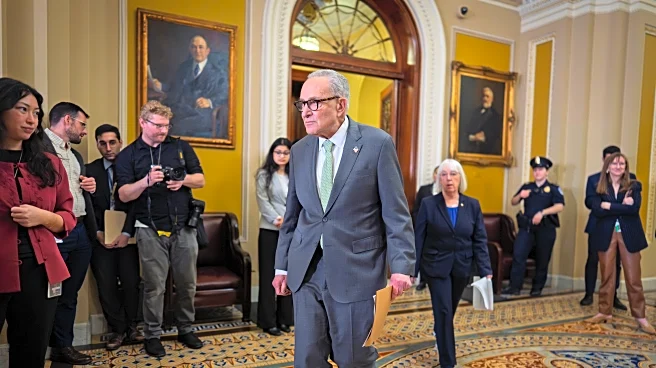
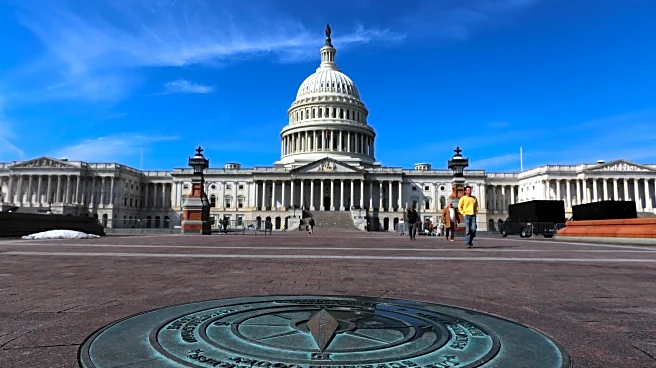
Congress is set to vote on whether to approve President Trump's military actions in Iran, a move that could significantly impact the legislative branch's constitutional authority to declare war. The Senate, led by Senator Tim Kaine, and the House, with
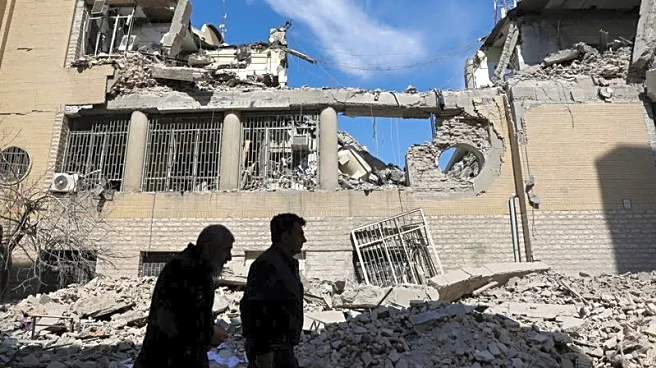
bipartisan support from Representatives Ro Khanna and Thomas Massie, are pushing for a vote on the ongoing conflict. This comes after President Trump initiated military strikes without congressional approval, citing Iran's alleged threats. The War Powers Resolution, which mandates presidential notification to Congress within 48 hours of military action and requires congressional approval within 60 to 90 days, is at the center of this debate. Trump's actions have reignited discussions about the erosion of congressional war powers, a trend that has been ongoing since the post-9/11 era.
Why It's Important?
The outcome of this vote could redefine the balance of power between the executive and legislative branches regarding military engagements. If Congress fails to assert its authority, it may set a precedent for future presidents to bypass legislative approval for military actions, further diminishing congressional oversight. This situation highlights the ongoing struggle to maintain constitutional checks and balances, particularly in matters of national security and foreign policy. The decision could also influence U.S. foreign relations and military strategy, especially in volatile regions like the Middle East.
What's Next?
Should Congress fail to pass the War Powers Resolution, it may embolden the executive branch to continue military operations without legislative consent. This could lead to increased tensions within Congress and between the U.S. and other nations. Additionally, the decision may prompt legal challenges and further debates about the constitutional limits of presidential power. Observers will be watching closely to see if any Republican senators break ranks to support the resolution, which could alter the political landscape and impact future legislative efforts to curb executive overreach.