





What's Happening?
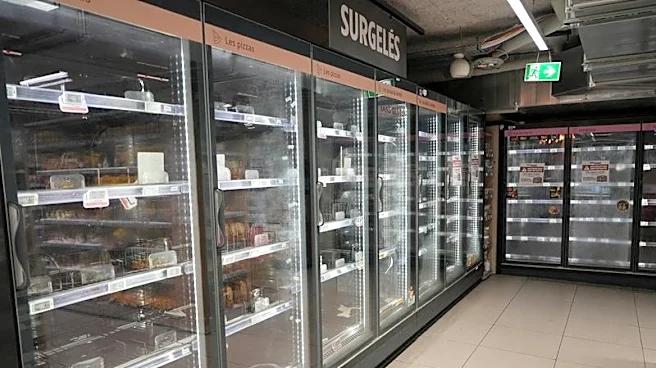
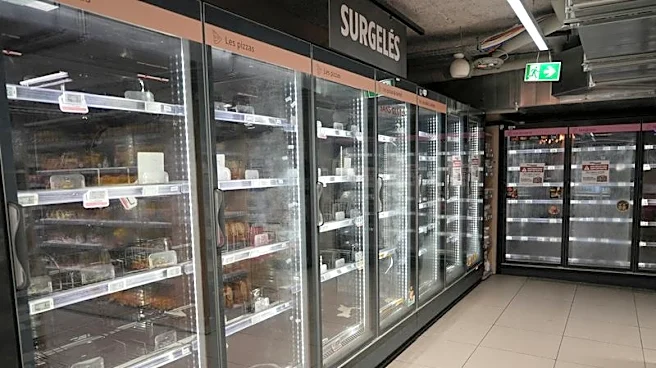
French authorities have formally attributed a series of cyber-attacks targeting refrigeration control systems across 700 supermarket sites in France to Iranian hacking groups. Laure Beccuau, the Paris Public Prosecutor, stated that investigations linked
the October 11-12 attacks to the Shahid Kaveh and Shahid Shoostari groups, identified as elite offensive cyber units connected to Iran’s Islamic Revolutionary Guard Corps (IRGC). The French Computer Emergency and Response Team (CERT-FR) published a technical attribution notice on November 9, detailing links between Shahid Kaveh and various hacktivist groups. Investigators found IP addresses connected to Iran-based endpoints and Farsi words in the hackers' traces, with techniques, tactics, and procedures consistent with previous Shahid Kaveh campaigns. The Paris prosecutor's office has initiated a judicial investigation, and France plans diplomatic and punitive measures, including summoning Iran’s Ambassador and urging European partners to impose additional sanctions on Iranian individuals and entities involved in these cyber activities. This marks the first cyber-offensive campaign purely for sabotage purposes on French national territory, according to the French government.
Why It's Important?
This attribution by France is significant as it represents a direct accusation of state-sponsored sabotage against critical civilian infrastructure, a move rarely made by France. For the U.S., this incident underscores the growing threat of nation-state cyberattacks targeting critical infrastructure, including supply chains and essential services. The targeting of refrigeration systems in supermarkets highlights the potential for cyber warfare to disrupt daily life and cause economic damage beyond traditional espionage or data theft. This event could prompt U.S. cybersecurity agencies and critical infrastructure operators to reassess their defenses against similar sabotage-focused attacks, particularly those originating from state-sponsored actors. It also reinforces the need for international cooperation in attributing and deterring such attacks, as the U.S. often works with European allies on cybersecurity matters. The call for international arrest warrants and sanctions signals a potential escalation in the global response to state-sponsored cyber aggression, which could influence U.S. foreign policy and cybersecurity strategies.
What's Next?
France is expected to proceed with its diplomatic and punitive measures, including formally condemning the attacks to Iran’s Ambassador and lobbying European partners for additional sanctions. The judicial investigation will continue, potentially leading to further evidence and international legal actions. The U.S. and its allies will likely monitor these developments closely, potentially coordinating their responses to Iranian cyber activities. This incident may also trigger increased intelligence sharing and collaborative efforts among Western nations to bolster defenses against similar sabotage campaigns. Critical infrastructure sectors in the U.S. and Europe, particularly those involved in food supply and logistics, may review their cybersecurity postures and implement enhanced protective measures. The international community will be watching to see if these actions set a precedent for how nations respond to cyberattacks that directly impact civilian life and economic stability.
Beyond the Headlines
The attack on French supermarkets represents a concerning evolution in cyber warfare, moving beyond data exfiltration or disruption to direct physical sabotage of essential services. This 'cyber-physical' attack demonstrates the potential for digital intrusions to have tangible, real-world consequences, impacting food supply chains and public welfare. It raises profound ethical questions about the boundaries of state-sponsored cyber operations and the concept of 'proportionality' in cyber warfare. The attribution and subsequent call for sanctions also highlight the increasing importance of international law and norms in cyberspace, as nations grapple with how to deter and punish actors who cross these lines. Long-term, this incident could accelerate the development of more resilient and cyber-secure industrial control systems, as well as foster greater public-private partnerships in critical infrastructure protection. It also underscores the need for a robust international framework to address cyber warfare, preventing it from becoming a tool for widespread societal disruption.