






What's Happening?
On September 16, 2026, Rep. John B. Larson (CT-01) voted in favor of the bipartisan Water Resources Development Act (WRDA) of 2026. This act includes several key provisions championed by Rep. Larson for Connecticut's First District. Specifically, it authorizes
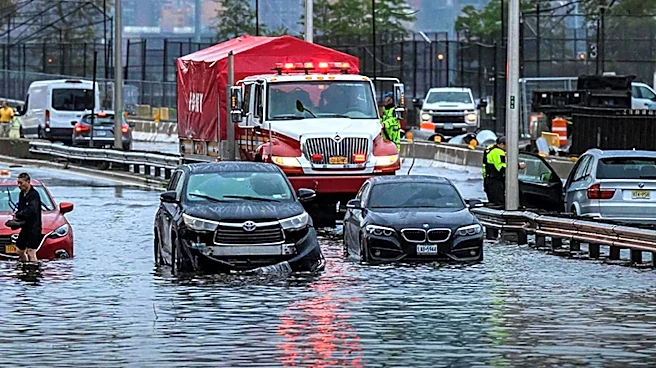
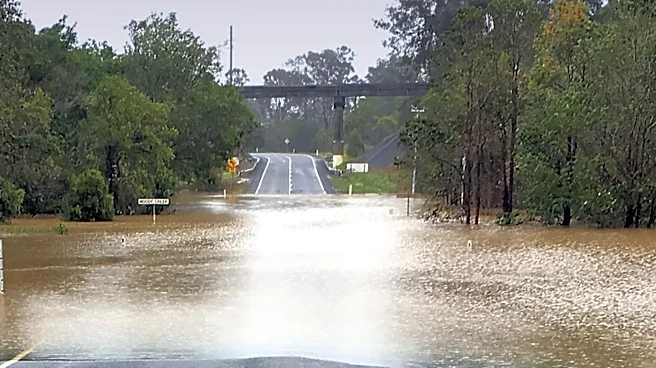
three flood mitigation studies and allocates $50 million for improvements to wastewater infrastructure and stormwater management in Hartford. The flood mitigation studies will focus on the Naugatuck River Flood Damage Reduction System in Torrington, the Connecticut River Flood Risk Management, and the Eightmile Rivershed in Southington. Rep. Larson emphasized the increasing frequency of extreme weather events, fueled by climate change, and the need for resilient infrastructure to protect homes and businesses. He urged the Senate to act swiftly on the bill to allow local leaders to collaborate with federal officials on strengthening stormwater management and flood protection.
Why It's Important?
The passage of the Water Resources Development Act is crucial for Connecticut, a state increasingly vulnerable to severe flooding due to climate change. The authorized flood mitigation studies and the $50 million investment in Hartford's wastewater and stormwater infrastructure will directly address critical environmental and public safety concerns. These projects aim to protect communities, homes, and businesses from the devastating impacts of natural disasters, reducing potential economic losses and ensuring public well-being. The bipartisan support for this legislation underscores a recognition of the urgent need for infrastructure improvements to adapt to changing climate patterns. For residents in Southington, Torrington, Hartford, and East Hartford, these initiatives promise enhanced protection and a more resilient future against environmental challenges.
What's Next?
Following the House's bipartisan vote, the Water Resources Development Act of 2026 now moves to the Senate for consideration. Rep. Larson has urged the Senate to act swiftly to pass the bill, which would enable local leaders in Connecticut's First District to begin working directly with federal officials. If passed by the Senate and signed into law, the authorized feasibility studies will commence, and the $50 million project for Hartford's wastewater and stormwater management will move forward. This will involve collaboration between the U.S. Army Corps of Engineers and local authorities to implement the necessary infrastructure improvements and flood protection measures. The focus will be on strengthening stormwater management and protecting residents from future flood events.
Beyond the Headlines
The inclusion of specific flood mitigation studies and significant funding for wastewater infrastructure in the Water Resources Development Act highlights a broader national trend towards addressing climate change impacts at the local level. The emphasis on resilient infrastructure reflects a growing understanding that proactive measures are more cost-effective and protective than reactive responses to natural disasters. This legislation also underscores the ongoing challenge of balancing federal and local responsibilities in infrastructure development and environmental protection. The bipartisan nature of the vote suggests a potential for continued cooperation on critical infrastructure projects, even amidst broader political divisions, as communities across the U.S. grapple with the tangible effects of a changing climate.