





What's Happening?
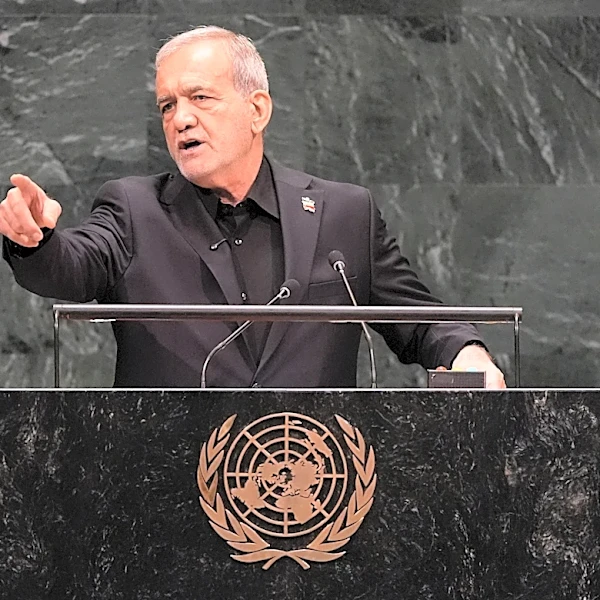
UN Secretary-General António Guterres sharply criticized Israel during the opening day of the UN General Assembly in New York, warning of unprecedented killing and destruction in Gaza and a risk of 'ethnic cleansing' in the West Bank. Guterres stated
that nearly three years after Hamas's October 7 attack, Palestinians in Gaza have endured a scale of devastation he has not witnessed during his tenure. He also highlighted that violence, displacement, and expanding Israeli settlements in the West Bank are eroding prospects for peace and raising concerns about ethnic cleansing. Guterres reiterated his call for an end to the 'creeping annexation' of the West Bank and emphasized that actions leading to ethnic cleansing must cease. He also noted the International Court of Justice's legally binding provisional measures in South Africa's case accusing Israel of violating the Genocide Convention in Gaza, urging compliance from all parties.
Why It's Important?
The UN Secretary-General's strong condemnation and warnings carry significant international weight, potentially influencing global diplomatic efforts and policy decisions regarding the Israeli-Palestinian conflict. His characterization of the situation in Gaza as 'unprecedented' and the risk of 'ethnic cleansing' in the West Bank elevates the urgency and severity of the crisis on the international stage. These statements could galvanize further international pressure on Israel and potentially lead to increased humanitarian aid and protection efforts for Palestinians. The reference to the International Court of Justice's provisional measures underscores the legal dimensions of the conflict and the growing scrutiny of Israel's actions under international law. This could impact Israel's international standing and its relationships with key allies, including the United States, as global opinion shifts and calls for accountability intensify. The warnings also highlight the fragility of the two-state solution and the potential for long-term instability in the region.
What's Next?
The UN General Assembly will continue its debate, with other world leaders expected to voice their perspectives on the conflict, potentially amplifying or challenging Guterres's statements. Diplomatic efforts are likely to intensify, with calls for ceasefires, humanitarian access, and renewed negotiations for a two-state solution. The International Court of Justice's proceedings will continue to be a focal point, with all parties expected to comply with its orders. Israel is likely to respond to these criticisms, defending its actions as necessary for security against Hamas. The international community will be closely watching for any changes in policy or military actions from both sides. The focus will remain on preventing further escalation, ensuring humanitarian aid reaches those in need, and exploring diplomatic pathways to address the root causes of the conflict and protect civilian populations.
Beyond the Headlines
Guterres's remarks underscore a broader concern within the international community about the erosion of international humanitarian law and the protection of civilian populations in conflict zones. The use of terms like 'ethnic cleansing' and 'unprecedented devastation' reflects a growing alarm over the human cost of the conflict and the potential for long-term demographic and political shifts in the region. This situation also highlights the limitations and challenges faced by international organizations in mediating complex conflicts and enforcing international law. The ongoing debate at the UN General Assembly serves as a critical platform for shaping global narratives and mobilizing collective action, but it also exposes deep divisions among member states regarding the conflict. The long-term implications could include a re-evaluation of the UN's role in conflict resolution and the effectiveness of international legal frameworks in preventing atrocities and protecting human rights.