







What's Happening?
Russian wheat export prices have increased significantly due to challenging shipping conditions in the Black Sea and recent attacks in the Strait of Hormuz. Analysts report that forecasts for July wheat shipments from Russia are declining, despite a drop
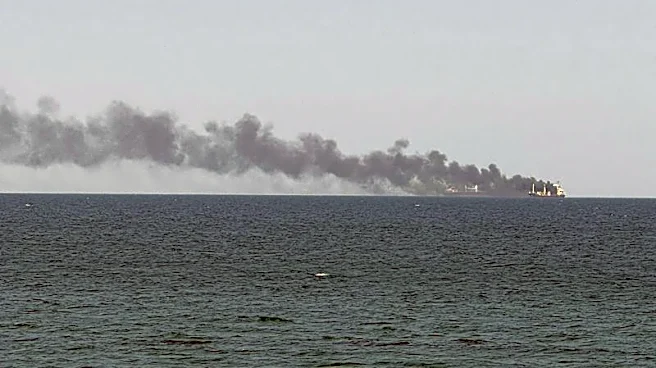
in domestic wheat prices across various regions. The shipping restrictions from Russia's Black Sea ports, imposed for safety reasons since July 10, have contributed to the price surge. The ongoing conflict and drone strikes in the area have exacerbated the situation, affecting global wheat supply and trade dynamics.
Why It's Important?
The rise in Russian wheat export prices has broad implications for global food markets, particularly for countries reliant on Russian wheat. The shipping disruptions in the Black Sea, a critical route for grain exports, could lead to increased food prices and supply chain challenges worldwide. This situation highlights the interconnectedness of global trade and the potential for regional conflicts to impact international markets. The volatility in wheat prices may also affect agricultural economies and food security in importing nations.
What's Next?
Continued hostilities in the Black Sea region may lead to further disruptions in wheat exports, prompting importing countries to seek alternative suppliers. The international community may need to address the security of maritime trade routes to ensure the stability of global food supplies. Additionally, diplomatic efforts may intensify to de-escalate tensions and restore safe shipping conditions. The situation could also drive innovation in agricultural logistics and trade practices to mitigate the impact of such conflicts in the future.