






What's Happening?
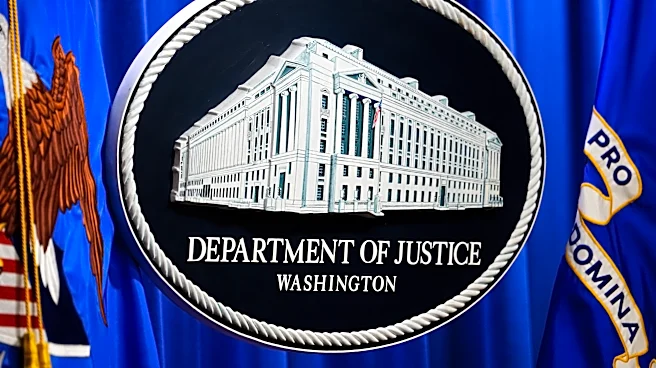
At a recent Agricultural & Food Law Policy Briefing, congressional aides, lobbyists, and lawyers discussed the current state of the farm bill and related agricultural issues. The briefing, held at the Agriculture Department, highlighted concerns about
the timing of the farm bill, disruptions in agriculture due to geopolitical tensions, and the need for domestic production improvements. Key topics included the sale of E15 gasoline, the U.S.-Mexico-Canada Agreement, and the reorganization of the Agriculture Department. Lobbyists emphasized the importance of passing the farm bill, noting its impact on rural America and the need for bipartisan support.
Why It's Important?
The farm bill is a critical piece of legislation that affects a wide range of agricultural and food policies in the U.S. Its passage is essential for providing stability and support to farmers, especially in the face of global disruptions and domestic challenges. The discussions around the bill highlight the complexities of balancing agricultural interests with environmental and trade considerations. The emphasis on bipartisan support underscores the need for collaboration to address the diverse needs of the agricultural sector. The outcome of these discussions could significantly impact food security, trade relations, and rural economies.
What's Next?
As the farm bill progresses through Congress, stakeholders will continue to negotiate its provisions, with a focus on securing bipartisan support. The resolution of issues such as E15 gasoline sales and trade agreements will be crucial for the bill's success. Additionally, the reorganization of the Agriculture Department and potential changes to conservation programs will be closely monitored. The outcome of these discussions could lead to new policies that address current challenges in agriculture, including labor shortages and environmental sustainability. The bill's passage will likely have long-term implications for the agricultural industry and related sectors.