







What's Happening?
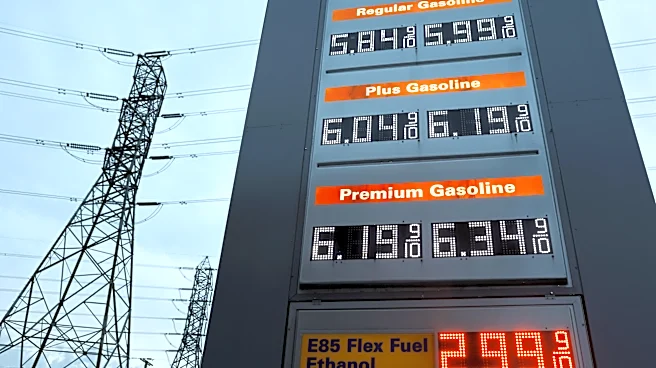
Small business owners in U.S. tourist destinations are observing a trend of Americans opting for domestic travel over international trips this summer. This shift is attributed to the rising costs of airfares and gasoline, making vacations more expensive.
As a result, many are choosing road trips, day trips, and local attractions over extended stays abroad. The AAA has estimated that 72.2 million Americans will travel at least 50 miles from home during the July Fourth period, with a slight increase in travel by cruises, buses, and trains, but no significant change in driving or flying. This trend is seen as beneficial for local businesses, as more vacation budgets are spent domestically. Tarik Dogru, an associate professor at Florida State University, notes that this could redirect spending towards small businesses like regional restaurants and local attractions.
Why It's Important?
The trend of Americans vacationing closer to home has significant implications for the U.S. economy, particularly for small businesses in tourist areas. With fewer Americans traveling abroad, more money is being spent domestically, which could help reduce the travel and tourism trade deficit that has persisted since the COVID-19 pandemic. This shift in spending patterns benefits local economies, as businesses such as restaurants, Airbnb hosts, and roadside attractions see increased patronage. Additionally, the trend supports the recovery of areas affected by natural disasters, such as Asheville, North Carolina, which is seeing a resurgence in tourism following Hurricane Helene. The increased domestic travel also aligns with the ongoing celebrations of the nation's 250th birthday and the FIFA World Cup, providing further incentives for Americans to explore local destinations.
What's Next?
If the trend of domestic travel continues, it could lead to sustained growth for small businesses in tourist areas throughout the summer and beyond. This could also encourage further investment in local attractions and infrastructure to accommodate the increased demand. Additionally, the trend may influence future travel patterns, with more Americans considering domestic options as a viable alternative to international travel. Businesses may need to adapt their offerings to cater to budget-conscious travelers seeking unique and memorable experiences close to home. The ongoing economic conditions, including fuel prices and airfare costs, will likely continue to play a significant role in shaping travel decisions.