


What's Happening?
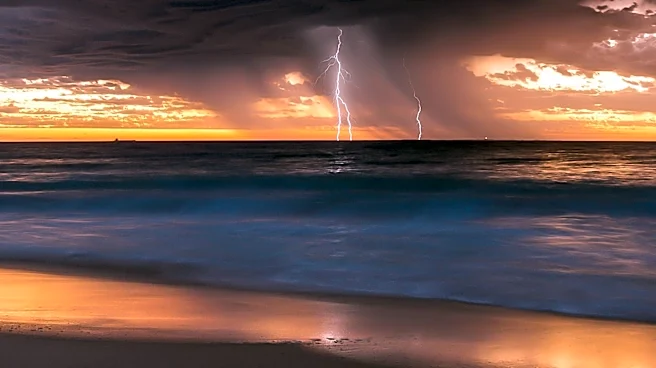
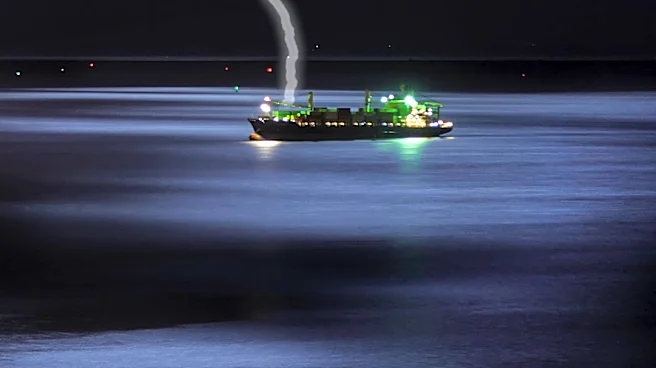
A couple from Colorado was struck by lightning at Cape Charles Beach in Virginia on Thursday afternoon. The incident, which occurred around 3:28 PM, left the man in cardiac arrest and the woman with minor injuries. Cape Charles Town Manager Rick Keuroglian
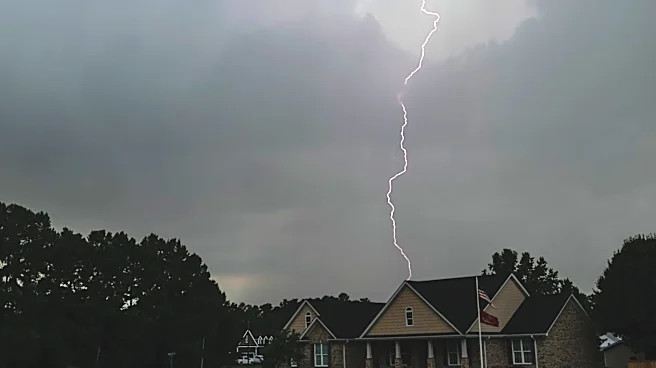
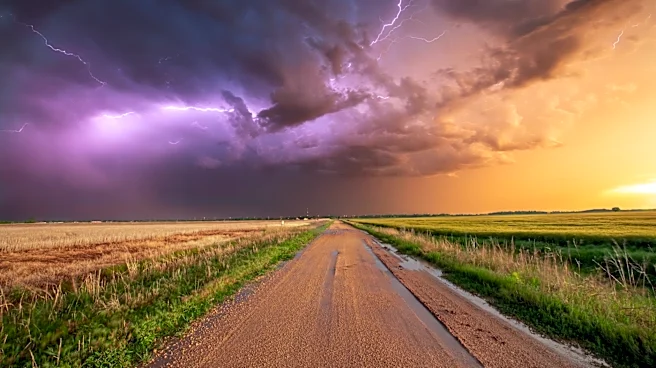
confirmed the event after consulting with the town’s police chief and the Cape Charles Volunteer Fire Department. Emergency services from Melfa, Painter, Parksley, Cape Charles, and Northampton EMS responded to the scene. The lightning strike happened as strong thunderstorms moved through southern Northampton County, bringing heavy rainfall and frequent cloud-to-ground lightning. The National Weather Service had issued an advisory for people to seek shelter indoors or in a vehicle during the storms, and a Severe Thunderstorm Watch remained in effect for eastern Virginia until 10 p.m. Thursday. No additional information was immediately available regarding the couple's condition or identities.
Why It's Important?
This incident serves as a critical reminder of the dangers posed by severe weather, particularly lightning, and the importance of heeding weather advisories. For public safety, it underscores the need for effective communication of weather warnings and public awareness campaigns about lightning safety, especially in popular outdoor recreational areas like beaches. The immediate cardiac arrest suffered by the man highlights the severe and often life-threatening impact of lightning strikes, which can cause a range of injuries from burns to neurological damage. For emergency services, the rapid response from multiple EMS units demonstrates the coordinated effort required to manage such critical incidents. The event also has implications for local tourism and beach management, potentially prompting reviews of safety protocols and warning systems during adverse weather conditions. For individuals, it reinforces the personal responsibility to monitor weather forecasts and seek appropriate shelter, as outdoor activities can quickly become hazardous during thunderstorms. This tragic event emphasizes that even seemingly minor weather events can have profound and immediate consequences.
What's Next?
Authorities will likely continue to investigate the circumstances surrounding the lightning strike, though no further details were immediately available. The focus will be on the recovery of the injured individuals, particularly the man who suffered cardiac arrest. Medical professionals will provide updates on their conditions as appropriate. Local officials in Cape Charles and Northampton County may review their emergency response protocols and public safety advisories related to severe weather, especially concerning beach areas. There could be increased public awareness campaigns about lightning safety, urging residents and tourists to take shelter during thunderstorms. The National Weather Service will continue to issue severe weather watches and warnings as conditions warrant, and the public will be advised to remain vigilant. This incident may also lead to discussions about the implementation of more advanced lightning detection and warning systems in public spaces to enhance safety.
Beyond the Headlines
Beyond the immediate tragedy, this event highlights the broader human vulnerability to natural phenomena and the unpredictable power of weather. It prompts reflection on our relationship with the environment and the inherent risks associated with outdoor activities, even in seemingly benign settings. The incident also underscores the psychological impact of such sudden and severe events on victims, their families, and first responders. It can lead to discussions about the adequacy of public infrastructure and warning systems in protecting citizens from natural hazards, especially in an era of potentially increasing extreme weather events. Furthermore, it serves as a poignant reminder of the fragility of life and the importance of preparedness, not just for large-scale disasters, but also for localized, sudden occurrences like lightning strikes. The story implicitly encourages a deeper respect for meteorological phenomena and a proactive approach to personal safety in the face of environmental risks.