






What's Happening?
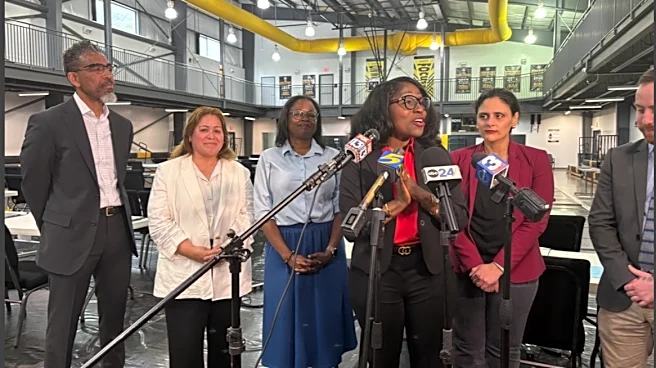
Tennessee Governor Bill Lee recently discussed key state priorities during an interview in Knoxville, as his second term approaches its conclusion in January. The Governor addressed a range of topics including investments in electric vehicle (EV) manufacturing,
ongoing road infrastructure projects, public safety initiatives in Memphis, and efforts to attract new businesses to the state. He expressed confidence in the return on investment for the significant taxpayer resources allocated to the automotive sector, particularly Ford’s BlueOval City, despite market adjustments by companies like Ford towards gas-powered vehicles. Governor Lee emphasized that the private sector's adaptability to consumer demands will continue to foster job creation. He also defended the state's public-private partnerships for proposed choice lanes, asserting that the financial risk for these toll lanes lies with the private companies, not taxpayers, should revenue projections fall short. Additionally, he highlighted the success of multi-agency task forces in Memphis, citing a nearly 70% decrease in vehicle thefts year-over-year and over 12,000 arrests, with state and federal partnerships expected to continue.
Why It's Important?
Governor Lee's statements are significant as they outline the administration's focus and impact on Tennessee's economic landscape, infrastructure, and public safety as his tenure concludes. The substantial investments in the EV sector and the state's approach to public-private partnerships for road projects directly influence taxpayer risk, regional job growth, and the long-term viability of state infrastructure. The assurance that private companies bear the financial risk for choice lanes is crucial for public trust and fiscal responsibility. Furthermore, the reported success of crime reduction efforts in Memphis, particularly the decrease in vehicle thefts, has a direct impact on the safety and quality of life for residents in one of Tennessee's major cities. The ongoing efforts to attract major corporations like Paramount underscore the state's competitive economic development strategies, which could lead to significant job creation and economic diversification.
What's Next?
Before his term ends in mid-January, Governor Lee aims to finalize complex choice lane contracts and secure a major Department of Energy award. Tennessee is currently one of five finalists for a nuclear life cycle innovation campus, with a final proposal due within 30 days. The administration anticipates that the National Guard and state partnership with federal agencies in Memphis will remain steady, continuing their multi-agency law enforcement operations. Governor Lee also indicated that the state will persist in its efforts to attract major global companies, leveraging Tennessee's low taxes and favorable regulatory climate. The outcomes of these initiatives, particularly the nuclear campus decision and the finalization of infrastructure projects, will shape the state's economic and developmental trajectory in the immediate future.
Beyond the Headlines
The Governor's remarks touch upon several deeper implications for Tennessee. The shift by automotive companies like Ford from solely EV production to including gas-powered vehicles, despite significant state investment in EV infrastructure, highlights the dynamic and sometimes unpredictable nature of market forces and consumer demand. This raises questions about the long-term sustainability and adaptability of state-backed industrial policies. The reliance on public-private partnerships for infrastructure projects, while designed to mitigate taxpayer risk, also introduces complexities regarding private sector influence on public services and potential equity concerns related to toll roads. Moreover, the focus on attracting major corporations like Paramount reflects a broader national trend of states competing for corporate relocations, which can lead to significant economic benefits but also potential challenges related to local resource strain and economic dependency on large entities. The sustained focus on crime reduction in Memphis underscores the persistent challenges of urban safety and the role of state-federal collaboration in addressing them.