



What's Happening?
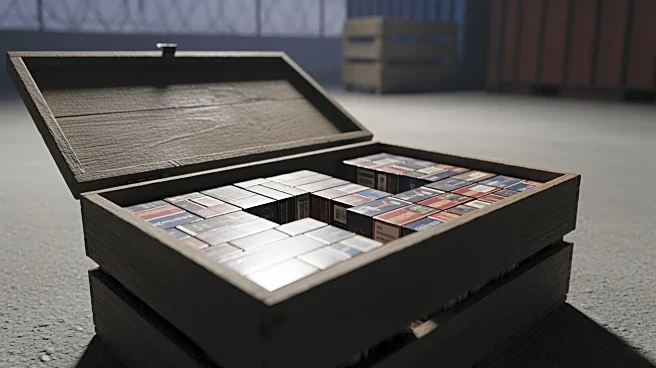
Bezalel Zini, the brother of Shin Bet chief David Zini, has been charged with smuggling large quantities of cigarettes into the Gaza Strip. This operation is alleged to support Hamas's war economy by generating significant revenue through the sale of cigarettes at high
prices within the enclave. The Israel Police assert that the funds from these sales are used by Hamas to pay its fighters. The charge of aiding the enemy during wartime, typically reserved for actions with direct national security implications, marks a significant escalation in enforcement against smuggling activities. This case is part of a broader investigation involving 16 suspects, with legal proceedings already underway against 13 individuals in Ashkelon. The investigation has revealed that smuggling operations often occur in buffer zones under Israeli control, where goods are transported to Hamas-administered areas.
Why It's Important?
The charges against Bezalel Zini highlight the complex dynamics of smuggling operations that bolster Hamas's financial capabilities. By taxing goods like cigarettes, Hamas can fund its military activities and governance, posing a continued security threat to Israel. The case underscores the challenges faced by Israeli authorities in controlling smuggling activities that exploit the economic and logistical vulnerabilities of the Gaza Strip. The involvement of individuals with ties to Israeli security services further complicates the situation, raising concerns about internal security breaches. The outcome of this case could influence future enforcement policies and strategies to curb smuggling and its impact on regional stability.
What's Next?
As the investigation progresses, Israeli authorities are expected to intensify their efforts to dismantle smuggling networks and prevent further aid to Hamas. The legal proceedings against Zini and other suspects will likely set precedents for handling similar cases in the future. The Israeli military and law enforcement agencies may adopt stricter measures to monitor and control buffer zones, potentially leading to increased security protocols and cooperation with international partners. The case may also prompt a reevaluation of policies regarding the movement of goods into Gaza, balancing humanitarian needs with security concerns.