
What's Happening?
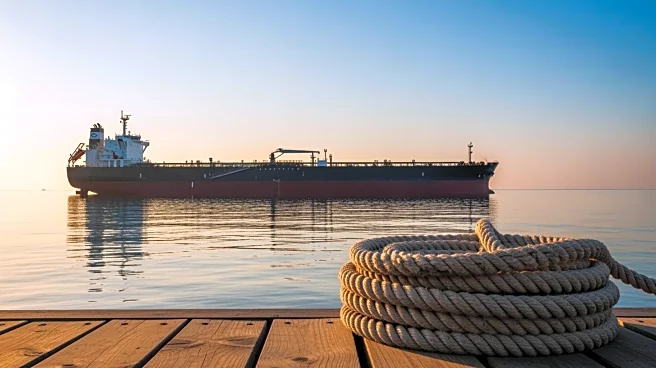
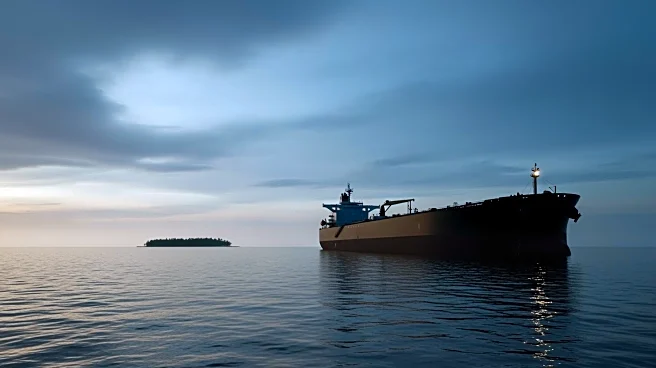
President Trump announced that the U.S. will not enforce its fuel blockade against Cuba, allowing a Russian oil tanker to deliver its cargo. The tanker, carrying crude oil, is nearing Cuba and is expected to reach its destination soon. This decision marks
a shift in the U.S. stance, which had previously aimed to weaken Cuba's communist government through economic pressure. The blockade had led to significant fuel shortages in Cuba, affecting daily life and essential services. Trump's decision comes amid ongoing geopolitical tensions and reflects a strategic recalibration of U.S. policy towards Cuba.
Why It's Important?
The decision to allow the Russian tanker to deliver oil to Cuba has significant geopolitical implications. It signals a potential easing of U.S. economic pressure on Cuba, which could alter the dynamics of U.S.-Cuba relations. The move may also impact U.S. relations with Russia, as it involves cooperation in a region historically sensitive to U.S. interests. Domestically, the decision could influence political dynamics, particularly among Cuban American communities in Florida, a key electoral state. The situation highlights the complexities of international diplomacy and the balancing act required in U.S. foreign policy.
What's Next?
Following this decision, there may be further diplomatic engagements between the U.S. and Cuba, potentially leading to a broader reassessment of U.S. policy towards the island. The move could also prompt reactions from other countries involved in the region, influencing international relations. Domestically, the decision may be scrutinized by political leaders and stakeholders, particularly in the context of U.S. electoral politics. The situation remains dynamic, and further developments are anticipated as the implications of this policy shift unfold.