


What's Happening?
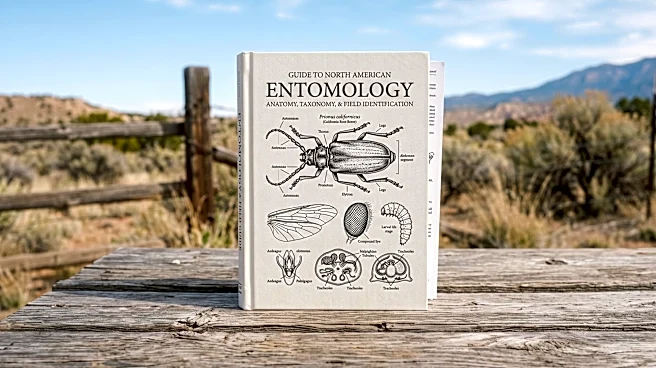
New Mexico State University's (NMSU) Cooperative Extension Service has released a new publication detailing the biology and characteristics of the adult New World screwworm fly. This guide comes as New Mexico faces a spike in confirmed screwworm cases
across several counties, with 41 cases reported in Catron, Doña Ana, Grant, Hidalgo, Luna, Otero, Eddy, and Sierra counties. Nationally, confirmed cases have climbed to 121. The New World screwworm is a parasitic fly whose larvae infest the living tissue of warm-blooded animals, including livestock, wildlife, and pets. Female flies lay eggs in wounds or natural body openings, and the larvae feed on living flesh, causing severe wounds, bacterial infections, stress, and potentially death if untreated. Caleb Hubbard, an assistant professor in NMSU's Department of Entomology, Plant Pathology and Weed Science, co-wrote the guide to provide an accessible overview of the pest, its history, biology, and identification, aiming to raise awareness among those unfamiliar with the screwworm's threat.
Why It's Important?
The rising number of New World screwworm cases in the Southwest, particularly in New Mexico, poses a significant threat to the region's livestock, wildlife, and pet populations. The NMSU guide is crucial for educating the public and animal owners on identifying and understanding this dangerous parasite. The larvae's ability to consume living tissue can lead to severe animal suffering and economic losses for ranchers due to potential animal deaths and the costs associated with treatment and prevention. The outbreak's rapid evolution, potentially influenced by milder temperatures, highlights the environmental factors that can exacerbate such infestations. The guide's emphasis on visual identification through pictures of real infections aims to convey the seriousness of the threat more effectively, empowering individuals to take prompt action and report suspected cases, which is vital for containment efforts.
What's Next?
Continued surveillance and prompt reporting of suspected screwworm cases will remain critical as state and federal officials monitor the situation. The New Mexico Livestock Board has already implemented animal inspection and travel requirements in response to confirmed cases in Doña Ana County to prevent further spread. NMSU's Cooperative Extension Service has also released additional screwworm publications, including a detailed identification guide and one specifically for livestock producers, to further support educational efforts. While there is hope that screwworm activity may decline with dropping temperatures in the fall and winter, the current focus is on increasing public awareness and ensuring compliance with preventative measures. The ongoing efforts aim to mitigate the impact of the outbreak on animal health and the regional economy.
Beyond the Headlines
The re-emergence and spread of the New World screwworm underscore the broader challenges of managing invasive species and agricultural pests in a changing climate. The parasite's ability to thrive in milder temperatures suggests that climate shifts could contribute to the resurgence of previously eradicated threats. This situation highlights the interconnectedness of environmental health, animal welfare, and economic stability, particularly for agricultural communities. The NMSU's educational initiative exemplifies the vital role of academic institutions in providing timely, science-based information to the public during public health or agricultural crises. The collective effort required from researchers, government agencies, and the public to combat such threats reflects a complex interplay of scientific understanding, policy implementation, and community engagement.